Why Accounting Firms Can't Find Time to Transform
Attention: This is a machine-generated transcript. As such, there may be spelling, grammar, and accuracy errors throughout. Thank you for your understanding!
Matt Lescault: Welcome to the most official unofficial Sage podcast in the world. Is this supposed to be Sage Intacct podcast? I'm just saying. But we're here. We're back. Every episode, we bring together Sage insiders, industry leaders, and global voices. Half of them deep inside the Sage ecosystem, half of them bringing a perspective from well outside it for honest conversations [00:00:30] about accounting, finance and technology that you won't find anywhere else. I'm Matt Lescault.
Doug Lewis: I'm Doug Lewis.
Emily Madere: And I'm Emily Madere. Let's dive into this.
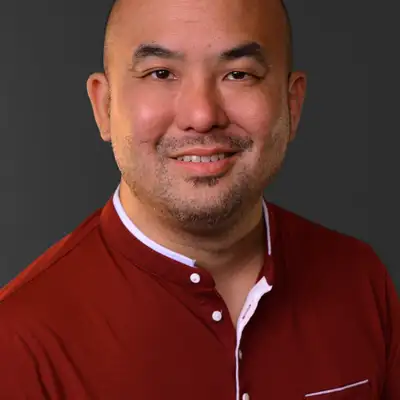
Doug Lewis: All right. Today, it's an exciting one. Um, I know I say that quite a bit, but this one actually is it's very rare when you get a real expert in the room with us. So kind of excited about this one. Donnie. Shimamoto. Now, Donnie, uh, we're already live and recording here and you know, I hate when someone reads my bio or introduction [00:01:00] at the start of a podcast or a presentation or conference, whatever. But Donna, yours is so impressive. I think I have to actually do this, and I'm going to even do it by the book here. I'm going to read it verbatim because it is actually very impressive. So I'm going to ask you to suffer through this before we dive into things.
Donny Shimamoto: All right.
Emily Madere: And if he gets anything wrong, make sure to call him out.
Donny Shimamoto: I will. All right.
Doug Lewis: I don't thrive on constructive criticism. So let's not do that. Okay? I want I need constant positive reinforcement in everything that [00:01:30] I do in my life.
Donny Shimamoto: Well, it's going to say if it's wrong, it's not criticism, it's just incorrect. Period. So we're correcting.
Doug Lewis: That. I I'm already I hate that, Donnie. I hate that you, I hate that. Oh my gosh. All right, let's dive into it. So Donnie is the founder and managing director of enterprise technologies and advisory focused CPA firm providing innovation, acceleration and business transformation services for small businesses, middle market organizations and nonprofits. Donnie is an internationally recognized thought leader and [00:02:00] educator in the accounting technology, IT, risk management and performance management areas. Danny is also the inspiration architect for the center for Accounting Transformation, the center's A Mind trust of innovative thinkers and experts who enable transformation by guiding accountants, auditors and tax practitioners through the adoption of change, making the future and the accounting profession a reality. Danny has been recognized as one of the top thought leaders in public accounting by CPA Practice [00:02:30] Advisor since 2012. A top 100 most Influential People in accounting for over ten years by accounting today, and was one of the top 200 CPAs in America by Forbes in 2025. Danny was co-chair of the National Conference of Lawyers and CPAs, was past chairman of the AICPA Information Management and Technology Assurance Executive Committee, and as a former member of this Governing Council Assurance Services Executive Committee [00:03:00] and numerous other AICPA committees and task forces. Donnie, it's that not only was that a mouthful, but it was extremely impressive. I have to ask, between all of these businesses, uh, groups, associations, boards that you sit on all this stuff, what's something about you that has absolutely nothing to do with accounting or technology?
Donny Shimamoto: Well, every everyone that sees me on social knows that my, [00:03:30] um, I'm a foodie. I'm a practical foodie. So I'm not one of those. I think a lot of foodie people right now are kind of because they want to kind of turn their, their nose up to stuff and be like, well, I'm better and I'm better than this restaurant and this, this restaurant is crap. And they also like to give constructive criticism. And, but mines is like, it needs to taste good. I don't care if it's a hole in the wall, it needs to not be a chain. And I need to enjoy the experience of of having that meal. So that would be my non [00:04:00] thing. And the thing I love about the work that I do, as we were just talking about, I'm actually going to Vancouver, uh, tonight is I get to go and travel the world and try out different kinds of cuisines.
Matt Lescault: Well, I'll tell you in Vancouver, there is a restaurant. I don't remember the name off the top of my head, because I didn't know you were going to Vancouver before this, but it's right in Chinatown. And when I went there, they have these Congolese mussels. Uh, so it's a Congo, uh, recipe that, [00:04:30] uh, that the chefs mother had done or something. It's amazing. Um, I will try to find it and send you a note on that, but I, when I was in Vancouver last, I ate there like 2 or 3 times because it was such good food. But I also want to know from you is I know that you're from Hawaii. What's your favorite Hawaiian dish or place? We don't have to go. This should go place. Do choose.
Donny Shimamoto: Oh that is that is talent is really difficult because for [00:05:00] me, food, it depends on my mood. Um, and you said Hawaiian. So if I were to go Hawaiian food, um, I'm probably going to have to go actually with the whole Hawaiian plate because I like variety and that has a little bit of everything. But out of those really, um, I would say, well, we have this dish, it's called squid lu'au, uh, not luau, like the big feast that you guys, that you guys are probably used to hearing that word. It's [00:05:30] actually a, it's, um, pieces of squid that have been usually cooked separately, very tender, very soft, uh, in a taro leaf and coconut milk. Um, it's actually kind of, I don't know if this actually sounds gross, but it's kind of like the, um, cream is basically creamed spinach in a sense, but it's coconut milk and taro leaves. And then the squids throughout that. That's my absolute favorite dish.
Matt Lescault: Okay. [00:06:00] Now can you cook?
Emily Madere: I eat some crazy food where I am. So like, I'm not gonna knock it, but I don't think I would try it.
Doug Lewis: It it's it sounds interesting, to say the least, Danny. Now, can you actually make that dish or do you just consume it?
Donny Shimamoto: Oh, I know, I just consume it.
Doug Lewis: Yeah,
Donny Shimamoto: I probably could. The taro leaves are the one that's difficult to procure.
Doug Lewis: That's that's interesting. Um, Danny, uh, that I, I didn't see that the foodie angle coming from you. Um, so that was, that was kind of cool. Uh, you [00:06:30] learn something new every day. Uh, but I gotta ask you. So where you sit in the accounting and technology kind of crossroads? You know, you've been doing this for over 15 years now, helping shape practice standards, guidelines both at the international and national level here in the US. But also, you know, you split your time, helping firms implement a lot of these policies and navigate the change management and all this stuff. So is someone who kind of sits on that fence of helping create the policy procedures [00:07:00] and all this fun stuff, and actually implementing with firms. What is something that you think a lot of people might miss about the link between those two?
Donny Shimamoto: I would actually say that it's, it's the fact that the standards and exist actually to protect us as a profession. And I've heard others really say like how out of touch, whether it's the AICPA or [00:07:30] actually right now I'm involved in a iAsb, which is the international auditing level. Um, and some of the guidance that we're writing around generative AI and the use of generative AI in, in the quality context. So how do we ensure that the services are delivered are of a high quality. And I don't think if you haven't been in discussions or if you haven't seen what happens, I don't think people appreciate that the standard setters are actually trying to [00:08:00] even consider. In fact, on this iAsb committee I'm on, my role is to represent small and midsize practices and to ensure that the guidance that we're generating is implementable and understandable by small and midsize. And this one with an international group that's working. I was very, very impressed that a lot of them are specifically talking about that and thinking about, well, how would a small firm in my country [00:08:30] actually implement this? Could they implement this? What does what does that look like? And how do we need to frame this so that it's not just the technical experts, whether it's a technology expert or an auditing expert can understand this stuff and implement it. So I think that's the thing that's missing. I think a lot of criticizing, they're like, oh, they're so out of touch. They don't look at that stuff. But actually, for all the ones that I've been involved in, they really are trying to ensure that small and midsize firms can follow this stuff.
Matt Lescault: Can I get a little concept here when you're talking about working on these [00:09:00] international governing boards? I assume the AICPA is involved. That seems pretty obvious, but you're dealing with a, a, C, a. Are you dealing with some of the other international accountancy organizations? What does that look like? Who's really at that table? That and talking through these things.
Donny Shimamoto: It really depends on which. Um, it really depends on which of the boards it is. So on this, this particular international one, um I'm trying to think if I don't think AICPA is actually at the [00:09:30] table specifically at this table. Um, uh, yeah, I think that's actually true because the Sasb um, is it or is it PCO PCAOB is at the table on this one. Um a CAI can't remember it's AC or AC. A now is at the also at the table. So I mean there's there's a good set of representation. This particular one has a bunch of the large firms. Um, I think all of the big four [00:10:00] BDO I feel like one other big firm is in there. Um I'm again representing small and mid-sized firms. All of these people are primarily auditing experts or and the other one is regulators. So there's a, there's a couple of regulators. And then there are actually two vendors. So two accounting tool vendors that are in there as well. So that's where you can see there's like the diversity from a, from a country standpoint, from, I mean, everyone's kind of audit experts or tech experts. And then [00:10:30] what the vendors and the regulators and the, you know, standard setters, they're all kind of there.
Matt Lescault: So can we ask what vendors.
Emily Madere: I know I was getting ready to ask.
Donny Shimamoto: Uh, this particular one is mine. Bridge and and oh sorry. Not mine. Bridge. Um. Case. Where and inflow are the two vendors here?
Matt Lescault: Okay. So you haven't really a lot of multiple disciplines that are coming to these meetings obviously centered around that audit. I guess it's very audit focused in this conversation. You [00:11:00] know, what might not be obvious for everybody is our standards pretty consistent internationally, or are these kind of meetings necessary to bring everybody kind of on the same page and as AI and as as the economy gets more global, are we having more conversations at this level about how to standardize more across, across regions, across countries and so forth?
Donny Shimamoto: Mhm.
Donny Shimamoto: So I would say generally standards are, um, [00:11:30] standardized internationally. And usually it's the standard, it's the international standard setter that's Generally first, because most countries look at what the standard setters say, and then they take that and then they adapt it regionally. You know, they localize it regionally. Um, I, I'm laughing as I said that because of course, us in the US always have to do it our way. And so.
Donny Shimamoto: Uh.
Doug Lewis: That's maybe that's maybe a [00:12:00] good follow up kind of to that thought process. Like, is there, or is the US leading the charge in a lot of this internationally, or is it kind of vice versa? Or are we just on like separate islands from everybody? What does that look like? Because it's pretty rare when someone like yourself has both, you know, the US expertise on all of these governing bodies and the international expertise in one.
Donny Shimamoto: So I think the answer is it depends. I've only been involved in like 3 or 4 different international things now. Um, and [00:12:30] the, I will say the US is normally ahead and I, I think, I think that's a function of the complexity of our, of our nation and the fact that we are generally, especially with tech, because those are the ones I'm normally involved in. We normally are ahead because as a market, we're just ahead. You can even see it in our products. Um, you know, like, like Sage and all these other products where I had pretty much everybody else, um, for the most part. So because we're ahead, I feel [00:13:00] like AICPA stays ahead of a lot of what's going on. Um, but, you know, we're one of the few, if not, I can't remember if we're the only one left that follows GAAP and everyone else is on Ifers. Right? So I mean, there's also a very US centric mentality to the way AICPA and we as a country do stuff.
Matt Lescault: Well, you brought up. Sage. And one of the things that and, you know, obviously we're the unofficial Sage Intacct podcast. One of the things that we've seen in what the capability of intact. I know it's not audit, [00:13:30] but obviously you audit financial systems and you audit financials and there's not doesn't seem to be a lot of players out there from a accounting software that are truly global in what they what they deliver. Um. What's your standpoint on that? Where do you see in tech fitting in that global perspective? And where do you see the number one competitors? I mean, you know, from your perspective.
Donny Shimamoto: Well, we would survive [00:14:00]if so, say Sage Intacct, I, I put in mid market, I consider a mid market product. And so if I go mid market, then NetSuite Acumatica would would be the two definite ones we would go to as, as. And that's the trio that will always kind of see come up together. And there's, there's other little niche things, but those are probably the three, um, that handle the, that handle the multi-currency. And then, but you raised that there's not [00:14:30] a lot of international. And it's really that international, that multi-currency from an international standpoint that changes the game because for example, I know of firms in Africa, in other countries that are using any of our, uh, Xero QuickBooks type of stuff. And it's just instead of tracking dollars, they're tracking whatever their currency is. So they don't need the multinational, right? The multi-currency, I should say there. And they can use whatever software we have. So which is again, [00:15:00] where it's, it's always interesting to me to see this whole market of we've got a ton, like literally a ton of, of vendors here and a lot of other countries, it's like 2 or 3 accounting systems, 1 or 2, um, auditing systems. And, you know, it just doesn't scale the way they don't have that scale that we have in our market and offerings.
Matt Lescault: It makes a lot of sense. And I see the changes that are happening like UK and invoicing. You have specialty needs in Mexico. I mean, there's [00:15:30] these things that are that that are happening from a compliancy and a regulation that are also impacting organizations ability to or software's ability to, to keep up with that. And so it really is a change from that perspective. Thoughts on that?
Donny Shimamoto: Yeah, no. Completely agree with you. And that's where when it's always interesting because when I talk to firms that are international and they're asking and I'm like, I can tell you what, I can tell you what vendors we have [00:16:00] in the States, it's a little harder for me to tell you what vendors will support your area. And then of course, the other one that always, you know, English is right now the international language. But when you're working, for example, in Latin America, you've got Spanish as the primary in a lot of Asia, not just in China, but in a lot of Asia. There's Mandarin as the dominant. And so looking that that's been the challenge. Helping some of these international firms is, can I find a software [00:16:30] that will actually support their language?
Doug Lewis: And if you ask any of the salespeople there, the answer is going to be yes, 100%. Let's sign you up and then we'll figure out how to do it after the fact. Uh, so that could be a very slippery slope, I would imagine.
Emily Madere: So I was helping, um, someone evaluate intact and they were based in the UK and actually for intact specifically, um, if you wanted to work with a partner to help implement the solution, your partner has to be licensed to sell in the different, um, in different [00:17:00] countries. So it could be a little sticky too, if you're trying to recommend a us, uh, centric product in international waters and trying to find a partner to work with.
Donny Shimamoto: Well, we're doing that. I normally just go to the vendor and I'm like, tell me who we need to work with. And that's even true sometimes in the States because depending how the vendors are organized, some of them are by firm size, some of them are by geographic area. And so for us, we always go back to the vendor and say, okay, we've got a lead for you. Who do we make the introduction to?
Matt Lescault: One last question I have for [00:17:30] you on this topic before we move forward is, you know, we talked a lot about international. If we bring this to the national perspective and what you're doing in supporting firms there in, uh, in their governance, in the eye, in the AI adoption and so forth. What are the biggest challenges that you're seeing from, uh, that these firms are facing in that process?
Donny Shimamoto: The biggest challenge is finding the time to actually do the any of these changes, [00:18:00] right? So everyone is so busy trying to deal with everything that's going on that they're there, aren't able to dedicate that time. And while that is one of the things my team will help do, because we act as a fractional, um, transformation office that we still don't know their practice, who their clients are, right? All those nuances of it. So for us, when we're working with them, we guide them through this thought process. But we need them to [00:18:30] like, take the time, go talk to this vendor, watch the demos, you know, come back, debrief with us. What did you think? Did it make sense? What were some of the things you liked? What didn't you like? Do you think this is a fit? Why or why not? And then we kind of talk through all of those things. And sometimes it's just a matter of they're like, oh, we didn't have time to look at it yet. Oh, we didn't have time to do this or we didn't have time to do that. And it's kind of like the, you got to make the, you have to make the time if you want this to happen. Because especially in public accounting and audit and tax, you've you've [00:19:00] got busy season. And so you work around busy season to figure out when. And if you miss that window and we hit January like you're not making or even December, like you're not making any more changes for another five months. So there's that window that they work with so that the time element is probably the biggest challenge.
Matt Lescault: It's capacity, right?
Donny Shimamoto: Yeah.
Doug Lewis: Yeah. No one's got time anymore for anything and no one can recruit and all kinds of crazy stuff going on. Um, Donnie, you know, you're viewed as [00:19:30] as quite the expert across the board. I, for the life of me, can't figure out why, but people seem to like you. And when an individual firm or an association calls you in, whether it's to help, you know, form their policies, procedures, whatever it looks like, or to solve a specific problem, what is the call sound like when they reach out to you? Is there like a specific issue you generally deal with, or is it more, hey, we can't figure this out. It's broken. We don't know what to do with it. Or Donny, we're trying to look 3 to 5 years ahead where [00:20:00] everything's going. Can you help us figure out, you know, what that's going to look like? What's kind of that average call you get from an individual firm or the associations of firms that you work with?
Donny Shimamoto: The most common one is we're thinking about changing X, whatever it is, tax software, accounting software, something that's probably the number one. Number two is we're having a problem with something. Can you help us figure out why why we're having this problem? Um, but you actually, you actually, um, set it up. Well, which [00:20:30] is my normal next question though, is I don't want to change this one thing without knowing the whole picture of what you're trying to do. So our question normally changes into tell me where you want to be 2 to 3 years from now. And we used to say 3 to 5. That's too far right now with the way tech is changing. So it's like, tell me where you want to be 2 to 3 years from now. Let's figure it. Let me understand where you're at now. And then let's figure out what we call the transformation roadmap to get you there. [00:21:00] And it becomes a series of all of these little projects for changes could be big, like change to new accounting system, like change to intact, or it could be switch out, use this AP solution, whatever that case may be, but it could also be non-technical things. So part of it may be you need to change some of your compensation plans. You need to change. Some of you need to address some cultural issues because you're having attrition and, and turnover. Um, we also require that they come [00:21:30] with a business strategy. So part of it is you don't know your business strategy. You need to go talk to like some marketing strategy type people come up with that and then we'll, we, we can finish helping you customize that even more because otherwise we're just kind of working in general, which you're not going to be successful in the longer run.
Matt Lescault: You sound to me like a business coach on steroids for accounting firms. Yeah.
Emily Madere: And you're taking like a holistic view of the organization. Uh, so you're not [00:22:00] just focused on one thing.
Donny Shimamoto: Right? Yes, yes. I'm glad you guys can hear that. So, um, we differentiate ourselves from business coaches. We're transformation coaches. Um, because the business coaches often work with them on strategy. And so that's why we, we purposely don't do strategy because most of the business coaches also can't execute. And so our whole thing is come and we will actually help you. Look at that, create the plan and then execute on it. And [00:22:30] coaching you along the way through all of these changes, as well as holding your hand through actually making doing the actual implementation of everything coming, going through.
Matt Lescault: And may I ask, like, what size firms are you typically working with?
Donny Shimamoto: We actually run the full gamut. So our smallest is our sole proprietors, and we're really helping them just try and optimize their practice, often just for themselves. Some of them are going through growth. A lot of them are like, I'm a sole for a reason. I want to stay a sole. So we work with them in a particular way. And [00:23:00] I've worked with, you know, a whole bunch of top 100 firms, top even top 20 firms, the roles just different. So the sole we're really working with them very closely. We're working with small and mid. It's normally kind of this. We're working with small. It's more of an outsourced. Maybe that's the better way to say it. It's more of an outsourced. We're kind of doing everything for them when we're working with mid. They have usually have teams that are good enough. We call those our guided contracts. So we are like, we're going to walk you through what we would normally do, but [00:23:30] you're going to actually do the work. We will review it and help talk you through everything. We're working with really large. They're normally just tapping into my brain on like, what should we do for this? What's the approach? Is this approach the right approach, review policies, review plans? So it depends on the size and we actually tailor our services.
Matt Lescault: I have to ask, is there a common thread between everything from that solo person to that top 100 of like, common issues that you see? Because I think that the reason.
Doug Lewis: That number one issue, you know, you [00:24:00] mentioned when people call you, it's either I'm stuck, I can't figure something out or I want to look forward a couple years if they're stuck and can't figure something out, is there that common? Like, hey, here's the number one, two, three things that it's like a broken record on repeat. You hear from these people.
Donny Shimamoto: It comes back to the time. It's either even for the souls, it could be I'm working too much and I need to leverage automation more and I need to be able to, you know, I need to free up my time. And the other ones are also either we don't [00:24:30] have. It could also be like, we don't have enough staff, we can't get the right staff. So which is also becomes a, can we automate what we can so we can do more with the staff that we have? Um, I also like it when they come to us and they're like, we're overworking our staff. We need to automate not to grow, but to really just make the workload more reasonable for our, our current staff to handle. So it's again, that time comes back as that key thing.
Emily Madere: So, so when you need to automate different things, go into the equation, like upgrading softwares, [00:25:00] like it could be Sage Intacct, could be other things, integrating AI into their daily work. Um, what other automation would you recommend?
Donny Shimamoto: Um, I mean, most of it's going to be some flavor of that, right? It's either a new tool that'll help take care of a task, leveraging some automation, whether it's AI or not, to help out an individual productivity level. Uh, the other one will end up being, uh, workflow or coordination [00:25:30] software because most people don't realize that that's, that creates work as well, right? The whole function of middle management is to coordinate work. And this is actually the one that's becoming very interesting with the impact of AI, where the middle management is coordinating work and they review work. Well, as we get rid of a lot of the lower end work and the, the doer or the preparer work gets automated, then now the entry level becomes the reviewer. So how are we actually transitioning or [00:26:00] teaching the entry level to immediately come in and be a reviewer? So this is why we have to look at more than tech. Uh, in that case, we're looking at learning and development. We're looking at how do I train someone to be a reviewer without having done the prep part of the work, whether that's in a, in bookkeeping, in tax or an audit.
Donny Shimamoto: And so it's it's really looking, which is why we have to work with the whole spectrum. We can't just work with tech. We have to work with learning and development. We have to work, work with position descriptions. What are the expectations which [00:26:30] turns into performance management? And then the coordination piece also looks at team teamwork, how teams are structured, how the work is being done, which then starts to come into workflow and workflow management systems. So they all kind of gets tied in together. And that's why we're coming in and kind of triaging like, where is the actual issue? Because sometimes, sometimes it's a tech issue, sometimes it's a people issue, sometimes it's a team issue, sometimes it's an owner issue because they're like, say, too heavy handed or something like it could be all over the place. And so [00:27:00] that's, that's why we come in and like, tell us where you want to be and we'll tell you all these different changes you got to make to be able to get there.
Matt Lescault: Let me, let me dig a little deeper in this one, because I think that there's been a lot of conversation around AI automating that entry level work. And yeah, what does the path, the professional development path look like for that person coming out of college today? And I think that's a big question mark that's going on. And I'd love to dig deeper for you to tell us sort of what you're [00:27:30] seeing and what you see work, what you where you think maybe needs to be invested in, like where, where, where do you see firms going in that? Or where do you think firms should be going and not seeing it?
Donny Shimamoto: I think firms need to go back to sort of the I and I say sort of the apprenticeship model. So when you look at accounting as a profession, uh, we were originally, I say originally, but, [00:28:00] you know, recognizing that we have hundreds of years, our profession is hundreds of years old. So not originally back hundreds of years originally to say the 80s. 90s. Um, we were, we were part, we were considered part of the vocational technical education, not scientific Stem. And that's a whole nother conversation. I'm anti accounting as Stem. Uh, but you know, we are as follows that that apprenticeship model it's you come in you as a junior accountant or as a junior tax preparer, [00:28:30] you're learning the trade. You're taught by the master, which is, which is the CPA or whatever certification you have, right? How do you do this stuff? And it's oversight, which is why that master is the one that's signing the actual work in the end. And, and eventually you become your own master and you form your own shop and you start your own firm, right? So it's like when you look at that, it's the apprenticeship trade model really compared to, say, a lawyer or actually lawyer is not a good example because lawyers kind [00:29:00] of follow that too. But compared to like a doctor that ends up working and some of them may form their own practice, but most of them are going to end up in some type of medical system, right? So so we've got we've got that difference. And we also don't require that higher high level degree that the doctors and the lawyers need to have.
Donny Shimamoto: And so we kind of just you really just kind of need that bachelor's, especially now with the changes to CPE. So when you when you talk about the change that's actually occurring or right now, and it's this need to more quickly be able to be [00:29:30] a reviewer, it really comes to the training, which is the bridge, the new hire training, which is the bridge between what you learn in school and the work that you're doing. And over the last, I'm going to say, 20 years, there's been this kind of squishing of the bridge, and you've got employers going at the schools saying, you're not giving us people ready to work. And the schools are like, what do you want us to drop from our curriculum? And I'll also mention [00:30:00] I've been involved at the national level and relooking at accounting curriculum. I've also done, um, uh, school accounting program accreditation review. So I've seen multiple school programs. I understand the standards around what it means to be an accredited accounting program. So I'm looking at that and you're like, you're trying to squeeze them here. And that's because the employers are getting squeezed because they're like, we got to get people working as fast as possible, as fast as possible. And so this middle onboarding is [00:30:30] the one that's getting squeezed. And anyone that's worked for large public accounting has probably been through what I went through when I started with Coopers and Lybrand at the time where you started and you went through an entire week, an entire week of onboarding, and you learned how does the firm do its audits? What is the auditing software? And you went there and you worked through case studies, just like as if you were in school and you went through case studies.
Donny Shimamoto: So, so I think this onboarding piece is the piece we have to fix. Now, [00:31:00] part of that too, though, I think is the evolution of the actual accounting curriculum to be more problem based, because right now it's a lot of memory memorization. And if you're taking the CPA exam, that's a lot of memorization as well. But if you look at the medical profession and the doctors, their entire endpoint of their academic part is case based. It's it's problem based learning is the official academic term. There are problem based learning. And then they go and they do their residencies, which [00:31:30] is they're going and they're actually practicing or getting to, to do stuff, right. Which is sort of that apprenticeship side. They're going working under a master doctor who is able to teach them, correct them along the way. And so if you look at the parallels and the way things are executed, we need to finish that evolution up towards being full profession and having problem based learning, having that, that residency equivalent kind of thing, hopefully without the craziness, because we all hear about how the doctors [00:32:00] all burn out during that residency, right? And it's helping them. And that's what we're trying to get rid of in the profession. We're trying to get rid of busy season and this, this need to pay your dues and stuff.
Doug Lewis: Wait, are you implying that there's some burnout in the accounting profession? Donnie. Because I've that's the first I've heard of this. This is news to me.
Donny Shimamoto: This is one we definitely have to correct you on rather than give you some constructive criticism.
Doug Lewis: Did I say I don't yeah, I don't I don't thrive on being corrected. Um well, you brought up a good point. You know, when you look at like curriculum, you know, kind of changing the pathway and all that fun stuff. Donnie, [00:32:30] you're a busy man. You don't have a lot of time with all the boards and, you know, groups and associations you're involved with. But you know, you built the center for Accounting Transformation kind of on top of everything that you're doing. What was the core reason behind that? Was there like a specific gap you're trying to close in the profession, or is it just more, I have to get this information out into the ethers and hope that it seeps in everywhere, and we can make some real change in the profession.
Donny Shimamoto: You hit it on the nail again, Doug. So that's.
Doug Lewis: That's, that's what I [00:33:00] need. I need that type of.
Donny Shimamoto: Yeah.
Emily Madere: Don't make his head any good.
Donny Shimamoto: Good. So exactly what you said. Um, I was listening to people. This was actually pre-pandemic. I had been listening to people who said, yeah, and they were referring to me and others and they're like, yeah, you thought leaders, you all tell us what we have to do, why we have to do it, you know, whatever, whatever. No one tells us how. And I kept hearing that and I went, you're [00:33:30] right. You are completely right. So pre-pandemic, I had started pivoting the what I talk about already to more towards the how and to explain to them, this is what this is what you need to do. So even every, almost everything that we consult on, I also teach because I'm like, you don't have to hire us. I will teach you how you determine whether or not based on what I've taught you, you think you can do it. And if you need help, we'll help you. Which is how we also came up with this guided because they went, [00:34:00] well, I could do this part, but I can't do the rest of that or I don't know enough about the software ecosystem. So I need your brain for that. And we're like, okay, I've got a model for you for that. So that's also how we evolved our service offering so that we can actually teach them. So that was the start of the center where we went, you know what? We're it's, we're tired of everyone telling us what we need to do, not tell us how. And so the people that we've gathered for the center are the ones that are willing to share their knowledge rather than kind of hoard their knowledge. And the ones who [00:34:30] are willing to work with especially small and midsize. So that was that's the other focus of the center. It's small and midsize firms as well as small and midsize businesses. And we're trying to help them in a more cost effective manner to actually work through all of these changes that are very complex because, as I described earlier, they're all very interconnected.
Matt Lescault: Can I ask a question? Because before we started recording and so forth, you said you're software agnostic, your product agnostic. [00:35:00] Um, and so you go into all these different firms. I'm sure you've seen everything under the sun. Uh, when it comes to firm management software, accounting products, all that kind of stuff. If we just went from a high level, what do you look for in software when you evaluate it? And what is that? What are some of the things that it's like? Absolutely not. We need to change this because of this. And what are the things that you that you absolutely look for in a software that makes it something [00:35:30] that you say it's worth investing in?
Donny Shimamoto: Oh, that's a really tough question. Um, so because we are agnostic, we're normally going in just to understand what is the software good at versus what is it not good at? Because I mean, just like any other consultant and this one, I say tongue in cheek, but also it's, it's very true. It the answer is it depends like, what's the right software? Because we have clients that come to us that are like, tell us what software is the best one for us. [00:36:00] And I'm like, I actually can't do that. There are these three that and especially today compared to, say, 20 years ago, a lot of there's a lot of feature parity. And so it's like, here's the three that are probably the right fit, you know, out of the ten instead of 10 or 15. I can narrow them down to three. These are the three that you probably want to look at, because they're the right for the functionality that you need for the price that you want to pay, and for what your firm or even business does. This is this is probably [00:36:30] the closest fit for you.
Matt Lescault: And I'm not looking for specific software, but sort of like features or expectations of, of a software, whether that's AI enabled or embedded or whether that is I'm going to throw out the easy ones cloud based versus, you know, server based products at this point, you know, things of that nature.
Donny Shimamoto: Yeah. So generally the biggest one is just usability to me. So to me, especially in small and mid, it needs to be very intuitive. [00:37:00] It should be something that, whether it's me or my staff, can go in and kind of intuitively understand what's happening if there's a lot of explanation. We don't. I don't want that. It's interesting that you said cloud based. So originally cloud, I would have said yes on cloud based and yes in the states cloud based. Definitely. But when I start to look internationally and then also when I look at smaller, I actually even shouldn't say smaller cities. When I look at smaller states, there's a lot of rural that don't have really good internet connections. [00:37:30] And so there actually is time. There are times when we would say, I need something on premises. So that's why like it actually depends. Um, if I were in Africa, Africa has rolling power outages and so they need on premises because they're going to, they lose their connection all the time for hours at a time.
Matt Lescault: Yep. So I kind of want to stick with, you know, the learnings and so forth of what you're bringing into the into [00:38:00] the firm and really talk about, you know, from this guided approach, what, you know, if we if we had some different components going back to that conversation, what you see consistently across the board where we know time is the problem, but where do you see your most common solution points? Does that make sense?
Doug Lewis: Is the question more like the, the, the type of of software to implement or.
Matt Lescault: Or I was shifting more to what, what, what hit. So [00:38:30] I probably didn't, uh, say it well enough, but you did. It comes to the, to the center itself. You know, you guys are deploying solutions. You're acting as guides to these firms and training to these firms. What's kind of the most popular coursework or the most the most needed, uh, curriculum that you're seeing firms come to you with, uh, with.
Donny Shimamoto: Oh. Right now, of course, with everything, it's it's people trying to understand [00:39:00] AI and what.
Emily Madere: And it's always changing. So how many how do you keep up with that? Like you could put together a course today, but then a month it's out of date.
Donny Shimamoto: You're completely right. Which is why we don't we don't have well, we have some instructors that will do actual like how to use ChatGPT and stuff like that. But it's also why we haven't invested in in that because there's not a return on investment. And that's where everyone's asking me like, where is all, where's the courses on how to AI? And I'm like, [00:39:30] there, there aren't very many, if any at all. Um, and also.
Doug Lewis: I.
Emily Madere: Love the way you, ChatGPT.
Doug Lewis: It can tell you.
Donny Shimamoto: To teach you.
Doug Lewis: The way that you said that where's the course on how to AI was just phenomenal. Like I can actually see that being asked to you and you're just sitting there just going, oh God. Uh, well.
Donny Shimamoto: Also the other reason I do that is I will also say, I fundamentally believe we do not need to know how to how to how to do [00:40:00] AI. Um, in our profession, most of us, the vast majority of us are going to be end users. We're going to use AI that's embedded in products like that. We already use like Sage Intacct has AI in it. You didn't have to learn how to put the AI into Sage. And even if you're using one of these other tools that are kind of like an AI assistant, I'm not talking about ChatGPT, but the accounting ones. If you're using them, they've already embedded [00:40:30] AI into those tools. And so you're learning how to interact with that tool, which is not your standard. I'm going to create this prompt. I'm going to create this skill. They've already created the skills. They already have prompts embedded within. You're just going to talk to it like a staff member and ask.
Emily Madere: So it's, it's, it's kind of going to be like the learning that they're already doing to stay up to date on these, these products. It's just going to be part of part of it.
Donny Shimamoto: Exactly.
Matt Lescault: You can tell me if this is an unfair question, but you brought up Sage Intacct [00:41:00] and other products. Do you have an opinion across the different accounting softwares of who's incorporating AI better than others and, and why you feel that way? And, you know, there's this difference between self-built AI versus taking MCP server and connecting Claude and so forth. I think it's two different components that not everybody really understands. Any thoughts, opinions on that side of it?
Donny Shimamoto: Um, I would [00:41:30] say I'm actually going to say no. If you look at a lot of the product, it has, they have, they have AI built in, but it's stuff that we already know, right? Like Sage Intacct has the, the invoice reading the vendor invoice reading. So you, you email it to that particular email address they read and scan it in which normally we would, we would have put an AP add on, pick and choose your your poison right on AP add ons. You would normally would have set it to an AP add on and had them integrate and feed the feed [00:42:00] it into Sage Intacct. It's now in Sage Intacct itself. So you can, you can send that in. Um, you know, they've got, they've got their chat thing that they're, they're putting as well where you can query in. And normally again, that would be a separate product. So I do kind of like that they're bringing it in. And so now I don't have to have these these separate products. So that's, that's kind of a good thing in one sense. On the other hand, all of you know that when I've got the suite of things and it's all together, it's normally [00:42:30] going to not be as good as my point solution, which is why we still do work with the AP products.
Donny Shimamoto: And there's still quite a number of AP, AP products that are very, very dominant because they're doing more than just that, that build. They're doing the expense reporting. Also, a lot of them are starting to do the credit cards and or corporate card purchase card management, and a lot of them are now turning, adding bank accounts into that which I would never expect. Sage Intacct to end up doing, you know, a bunch of that kind of stuff. It's a completely different business. So it's, it's, it's interesting to kind of see, but all the vendors are [00:43:00] approaching, you know, things a little differently. But all of them now are kind of reading the bills. A lot of them are starting to correct or suggest postings. So there's all these kind of standard things that once we get through this hype cycle and everything becomes kind of that, that new table, new level of table stakes, we're going to see, I think a lot of feature parity.
Doug Lewis: So what's the absolute worst software vendor out there for kind of name? The top three worst solutions you've ever seen. Uh, I want to get really, [00:43:30] really personal with it. Um, Danny, you've been very grateful with your time here to wrap up a couple questions that are just kind of burning my mind here. The first of which is you're involved in so many of these different, you know, governing bodies and policy and implementation with individual firms and businesses. You do all of this crazy stuff. Why are you so passionate about the accounting profession? Why not just move on to greener pastures?
Donny Shimamoto: Yeah, for for someone like myself and I mean you, you read and and thank you for putting it out. I guess I should thank you for putting [00:44:00] us through reading all that, all of my accomplishments and stuff. For me, part of it was it's, it's the connection to that higher purpose. And when you look at what our profession does and our role in the world, it's not just keeping money flowing. It's not just the accounting and the tax returns. What we're really doing is we're working in the communities, we're working across the communities where that connection point, and even whether you're inside the [00:44:30] the company and as a controller, CFO, or whether you're outside as the auditor or the tax preparer, or we have accountants that are in the regulators, we have accountants that are on these international standard setting boards, we have accountants that are in the education profession teaching the kids It like we're like everywhere within society, but all of our roles are about protecting the public in the end, and protecting the public plays itself out in different ways. Like the controller CFO calling out that that fraud or that [00:45:00] intentional misstatement that the let's say it's the CEO that's trying to commit that and the CFO quits and they're like, I'm not putting up with this. I'm not putting my name to this. I have a higher, higher ethical standard. And so it's this, this higher purpose of doing what's right for the public or for our communities and our world. And then also the higher ethical standard that we hold ourselves to, that those are the things that really resonated me to with me and said, I then said, we [00:45:30] need to make this profession a priority.
Doug Lewis: So you're actually white knighting this is what I heard. You are the all around good guy in this in this profession. That's that's rare to hear because everyone always talks about profit, workflow, blah, blah, blah, all this fun stuff. But the fact that you're actually trying to actually make a difference inside of the not only the firms themselves, but the client bases that they actually work with, I think is refreshing to hear. And, you know, if a firm leader, if an accounting firm leader only does one thing differently after the conversation here today, Donnie, [00:46:00] what would you want that one thing to be?
Donny Shimamoto: Make the time to make the change, because that is something that has to be very intentional. And it may not be that leader. That's the one that does it. In fact, a lot of times it's not that partner level. That's the one that needs to make the change. They need to make the time and make the space on their staff schedule, and they need to lower that ability expectation. They need to give them the [00:46:30] space and the authority to actually work through these solutions and to enforce the change that's coming through. Like that's the biggest thing to do is support whoever their change maker is going to be in their firm.
Doug Lewis: And do you do you find that because it's good advice? Do you find that that change maker, that champion, whatever you want to refer to them as inside the firm? Is that usually like an outside new hire or is it an existing staff? Is it a partner level? Is it a manager, you know, who kind of takes that realm? And at what point does it make sense to go out and [00:47:00] hire someone in-house to really run the gambit, whether it's a CIO, CTO, whatever it looks like?
Donny Shimamoto: Again, I'm going to give you the consultant's answer of it depends. So you want someone with that higher tech acumen doesn't have to be a tech expert. In fact, especially in the accounting side, you need someone that is more tech savvy, but also more importantly, actually understands the work being done. That's the biggest flaw I see in a lot of these vendors, their IT people trying to make create an accounting or tax solution. And they, [00:47:30] the way they approach it is from an IT lens. And it's like, this does not make any sense to at all to us as an accountant. So, you know, really kind of looking for that set. Also that willingness to learn and that openness and willingness to make mistakes, because that is also one of the biggest things. It's like, oh, a lot of accountants want to be perfect, right? Balance. Balance to the penny. As as often the saying goes or reconciled to zero. And that is not going to be it, especially with AI. You're going to experiment, you're [00:48:00] going to try different things out, and you might make a few mistakes along the way. And they need the space to make those mistakes as well.
Matt Lescault: What I'm hearing is if you invest in AI as a firm, do it to increase capacity so you can invest in transformation. That's what I'm hearing.
Donny Shimamoto: Almost if you invest in technology, because AI itself is not always the solution. If you trust in technology, you use it to create capacity. Yes.
Doug Lewis: See, he corrected you, which makes [00:48:30] sense to me.
Emily Madere: I mean.
Doug Lewis: You never, never correct me on anything.
Matt Lescault: I love constructive criticism.
Doug Lewis: Do you? That's new.
Emily Madere: To me.
Doug Lewis: Uh, Don, you've been very gracious with your time. For better or worse, we always end these things with a terrible dad joke. For whatever reason, I always love to throw it out to our guest. Donny, do you have a terrible dad joke on standby?
Donny Shimamoto: I did not.
Doug Lewis: You do.
Emily Madere: Not.
Doug Lewis: Okay?
Donny Shimamoto: I detest them. And so that's one of those things. I would not contribute to that madness.
Doug Lewis: All right, let's see [00:49:00] here. Um.
Emily Madere: So Doug loves them.
Doug Lewis: You you're talking about the whole foodie thing at the beginning and the weird squid, uh, cream, spinach dish or whatever you're describing got me thinking. So let's keep it. Let's keep it oceany beachy. Um, why don't oysters share well with others?
Emily Madere: Because they clam up.
Doug Lewis: No, but that's good. That's a good answer. That's not [00:49:30] mine. Because they're a little shellfish. Come on, you guys. Oh, see, so for those just listening and not watching, everyone's hysterically laughing, but the microphones just cut out for whatever reason. So it's just me.
Matt Lescault: I just, I know there's a text between the three of us in which we, there was a whole reel on dad jokes that had that were about Doug, not Doug Lewis, but just the name Doug. And I'm still mad that that's not what Doug is bringing into [00:50:00] the into it. So Emily, get rewatch that and you're going to have to do one of those dad jokes.
Emily Madere: I'll take it over next time. Doug.
Doug Lewis: Yeah, well, you gotta step up your game. Absolutely. But Donnie, thank you so much for bringing your knowledge, your experience, your expertise to the audience here. Um, this was, uh, this was shockingly insightful. So let's wrap. Thanks for everybody. See you next time on the unofficial Sage Intacct podcast.
Matt Lescault: See you next time.
Donny Shimamoto: Thanks for having me.
Creators and Guests