A New Voice at the Table: Meet Salma Kaida
Welcome to the unofficial Sage Podcast, the most unofficial Sage podcast in the world.
Every episode, we bring together Sage insiders, industry leaders, and global voices, half of them deep inside the Sage ecosystem, half of them bringing a perspective from well outside it for honest conversations about accounting, finance, and technology that you won't find anywhere else. I'm Matt Lescault I'm Doug Lewis. And today, for the t first time, there's a new voice at the table. Let's dive in. new voice, the table. I'm excited. So today is a little bit different if I'm not
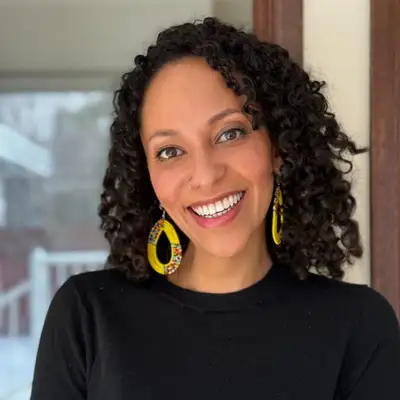
If not mistaken, there's a new face here. And we've been looking for someone to join us behind the mic. And we're trying, we're trying out somebody today we think is not only a good fit, but a great fit. Arguably a perfect fit. Salma Kaida a partner at nuvemXP based in Edmonton. She spent her career in the Sage Intacct world in the room with finance teams when they leave the spreadsheets behind and figure out what the numbers can actually do. Joining us from
Canadia, if I if I'm pronouncing that properly, which officially makes this table international. Welcome. And I I have to ask before before you you jump in and say anything, did I pronounce that properly? Is it Canadia? Yeah, you nailed it. Got it. Okay, perfect. So don't correct me for for the rest of this episode here, whatsoever. Let me just keep making that mistake over and over. I have to ask you if you had to sell me on Canada.
In 30 seconds, why I should drop everything here in the States and just move there, leave my life behind, everyone I know and love. Why should I do it?
Definitely, definitely the weather. I'm kind of joking. So I'm from Edmonton, which is a little known part of the country closer to the west side. And we have brutal, brutal winters, which
I think gives us arguably the best summer vibes in the world. So there's something about suffering through the insufferable together collectively, that when it hits the 10 degree, sorry, Americans, the 40% hot space thing in the summertime or in the springtime, the whole city relaxes. everybody is just like, okay, we did it.
And the whole city vibe is amazing and the parks are full and the streets are full and it's just a vibe you can't really get if you haven't had to deal with it. I'm visualizing a musical. The sun comes out and people just start dancing in the streets. It is it really does feel like that. there's always those guys that are like, it's too early for shorts, but they're like, my gosh, my legs, the breeze through my leg hair, you know.
And it's just I don't know. I've traveled a lot all over the world, places that don't have proper seasons and stuff like that. And I keep coming back here because there's nothing like it. Now are you are you a lifer in Edmonton specifically, or have you bumped around a little bit? Well, I was born in Edmonton. I moved around a lot as a kid, as a youth. I had a wandering spirit. and then came back to settle when it was like family time. it's a great family town, it's affordable cost of living, you know.
it's a very young city. And I mean young like even like culturally. So like our oldest building is like from the nineteen hundred like nineteen five or something like that.
So we're still just creating the city vibe and culture ourselves, which is awesome. and we have like a lot of immigration and stuff like that. So we have like fantastic cuisine, like you name it, you can find it here, like for Sephora, not known city. It's a little bit people are a little surprised when they get here and be like, this is like diverse and you know. So the question here is at what month?
Does it start getting warm? if I'm ever gonna come visit you, where where where's the date? Or maybe you don't want to see me and I just want to come up there. I don't know. I would say by middle of March, at least the end is in sight. Like you've got like tastes, you know, like little teasers have already happened, middle of March. By end of March, early April, you're gonna see like inappropriately dressed people walking in the streets in like the best way. Doug will be there in a few months.
we sure comparable weather. I'm in Chicago. It's you know, it's it's frigid here most of the most of the year, unfortunately, as well. But, you know, that's part of the game.
Would love to give all listeners kind of the background, you know, where come from. How did you how did you start working with Sage? You know, where
Can we get a little bit of the Genesis story before we dive into some of the some of the background here? Yeah, sure. So I don't know if this is true. Okay, but I used to be the controller of an organization. Well, that part's true, that implemented intact. So before it was Sage Intacct in 2015. So I was on the sort of client side of things and our implementation team was the intact PS team kind of thing.
and the organization I worked for was a high acquisition company. So we bought a lot of companies. And so increasingly, more and more of my job was onboarding those companies onto the intact platform. And it turns out that that was the only part of my job that I really liked. Right. So I'm very like project focused. So there's something about being like an internal financial team where you're on that hamster wheel of, you know, month end, quarter end, year end, or whatever.
And planning my vacations around a month end. I was like, you know what? like maybe there's a different career path. I actually didn't even know there was a career path for this. So I sent out a couple cold emails to like I Googled like Sage Intacct and sent out cold emails. And I was like, I don't know if this is a job, but this is me and this is what I like to do, and blah, blah, blah. And one of those companies reached out to me and I got my first gig as an implementation consultant.
How long ago was that? you're gonna age me here. I think like my bios, I've been in the ecosystem for 15 years and it's probably more like 20, but I think like whenever COVID was, seven whenever COVID happened, I think I've kind of like a lot people delete a lot of COVID years. So I think seven years about that. If it's any consolation, I think that you could play a high school in a Netflix series. You know what I mean? booking.
Yeah. There was a there was a function in my there was a function where I could like enhance skin texture. apparently it works. Matt, you could not. I want to be very clear about that. No, no, no, I play the teacher. The retiring teacher, maybe. Yes. Towards the towards the end of his career. I even cut my hair to try to look a little better today for Salma, and you're just like destroying. You have hair?
Where is it? I hope you didn't pay. Did you pay for that haircut? No, no. I mean I used to, but I was I was outside last night just went
So you get this job. I assume that's not with your current company because you're an owner. So keep keep bringing us the the story. Where where where did your path take you? So I I'm the kind of person that makes fast friends. Okay. So I meet people and I'm like, I love you. And so I went to this conference, actually a Sage conference as part of my company.
And there was another guy that was there as well on behalf of the company. And we were the juniors. So the executives were at their fancy whatever, whatever's. And we were just like by the pool drinking coronas, enjoying best life, and started exchanging internal stories about they he was in sales and I was on the operation side. Just like, you know what? There's just so many things that we see that can be like better. Like, you know, how is it for you? And whatever, whatever. And we're kind of just like,
We can do we can do this better. right? surely we can do this better. and we sort of just kept the conversation going and there was some changes in the ecosystem with some like mergers and sales and whatever of companies here in Canada and just created a window of opportunity for us to like both kind of get out and start our own thing. So we did that about three and a half years ago. We started Novom together.
And we've just been cracking ever since. That's awesome. And I think when we talked originally, you said you will be in Atlanta at the conference. And you seemed really excited about that when we talked about it. This is the unofficial podcast, correct? And and let's let's just cue this up too. I've never been happy to go to Atlanta myself. Let's just I'll put it out there. I'll throw it out there. Okay. So I love the city of Atlanta.
I have to say, shout out to the I I've visited a lot of US cities and of the US cities I visited, a big fan, big fan of Atlanta. I think that over the years, I used to be really jazzed about some of the Sage conferences and like really excited to go, like for the I'm a nerd. Okay, so it's important to understand. I'm like, I'm much more of like a product nerdy kind of person. So like new features and new functionality and like you know, the roadmap and all of this stuff and technical sessions and
I just feel like I don't get enough of that anymore. So now it's more like it's important to go obviously FaceTime with with a lot of the like other partners and the Sage executive and you know, my Sage team kind of thing. But I am I wish I got more like the old days. All right. Well, I mean, this time you get to hang out with me a little bit, so that's probably gonna make it worse for you. but I'm glad you just found out that about yourself, man.
you know. Come a really long way. But now, but I I just expect that you'll I found out yesterday that I'll be talking, doing one of the sessions at the at the conference. So I I hope you'll come and and boo me while I'm up up on the stage. I it's more just like my resting face. Kind of says everything. Actually, you know when when you get your hotel accommodations figured out, let me let me know the room number you'll be staying in because I can send you a box of tomatoes. That could be enjoyable.
It's like a team. Yeah. That could be really fun. I don't know the first time you're meeting somebody that the appropriate thing to do is to ask for her hotel room. I'm just st just saying. that's fine. I'll leave I'll leave it at the desk with your name. That'd be much less, much less as long as I get the tomatoes. That's fine. That's all. That's all that matters there. So I want to dive into some of your kind of technical expertise because obviously you've you've been around this for a long time. But before we get there, I I gotta ask you.
You've been doing this for a little while now, again, just long enough to to still play a teenager in a Netflix series. But what conversations do you think the the industry is kind of missing out on right now? Is there anything that's just not being touched enough? I've heard a lot about like AI. I don't know if that's you know, I don't think enough people are talking about it. What what are some pieces, you know, some trends that you've you've seen over the last couple of years that maybe aren't getting enough attention? Well, I think it's like the I don't like this word.
ERP. Generally, I don't like jargon. Okay. I don't like words that allow people to manufacture their own meanings. I think it makes it really difficult to know if you're talking about the same thing. So if somebody says to me, what do you do? Right. I'm like, I take information from here and then I put it in here and then I make it easier for you to read it.
I rarely say something like, I'm in the ERP space or I'm a VAR or like that, just like locked out language. And so I feel like there's generally the accounting industry and law are two places where the industries are trying to lock people out of what I consider to be fairly simple concepts. So when if you say, I'm an accountant, my favorite joke is like, if somebody's like, you're an accountant, you must be good at math. And I'll be like, Yeah, like.
adding and subtracting. Sometimes we do division. Like right? Like it's like, you know, debits and credits and you know, deferrals and all of that stuff, whatever. But they're actually not very complicated concepts if someone's patient and like not lording their, you know, their insider knowledge over them. So I just wish that the whole space could kind of just relax a little bit. We're not curing
major global diseases over here, we're just you know, trying to make numbers make sense to people who don't necessarily like numbers. So here's a question. And I don't know if it's a fair question, but even though you don't like jargon, what would be your jargon if it wasn't ERP? accounting systems? That's not jargon though. That's just so like AS do you mean like
How would I describe ERP or how Rename it? What is what is the jargon that we should all use moving forward instead of ERP? I think academic systems. But the problem is, isn't jargon have to be an acronym? That's why it's a VAR. I don't know if it's a rule, but it feels like it. You're just making up rules now. Get out of town. I'm not in Mark. No, like I'm not, it's really like really clear. I'm not in Mark.
I would assign that to another team. Because I mean think about it, it's SaaS it's FAS, it's CaaS I mean, I'm I'm pretty sure to be jargon, you have to have an acronym or else it goes out the window. I just are we like short on time? Like we can't use like full words, it's like you know, like there was an episode remember the of the office, you know, like whatever 20 years ago when the the accountant in the office who was
whatever reason painted in a very dim light. why use many words when few would do? And he started talking about the caveman the whole episode. And then he had to keep explaining himself and I was saving time. He's like, well now you got to explain the whole thing. So we're not saving time again. But yeah, I have a real question for you then. So you know you spent a large part of your career so far really explaining finance systems and concepts to people who either never really wanted to learn or just never did learn them.
what have you been able to figure out about taking these really complicated concepts, systems, jargon, whatever it might be, and simplifying it for the layman out there? I think it's an exercise of listen first and talk later. So I've become one of the things that surprised me about this line of work is that I came in all like.
Yeah, I know how to do accounting and I know how to use this system and I'm a technical person and I'm gonna be so great. And then it was like, yeah, like 75% of the work is people, it's soft skills. So that was where I was I at the beginning, I was like, my gosh, like I've had calls where like I might be the only person that controller has spoken to that day. Right. And and there's something about
I I think I have a very humanistic approach, arguably depending on who you ask, too human to dealing with people, just giving them an opportunity to air their grievances, everyday festivists around here if you watch Seinfeld. giving people the chance to talk about their day, talk about their struggles, talk about, you know, internal work-related struggles, but also even like personal struggles, sets the tone for.
a very cooperative approach. So I'm kind of in a lot of cases working with friends. And like not all my friends are accountants or like systems people or right. so I feel like that space was one surprising about the sort of career path, and two one that I thrive in. Like I'm naturally like a relational person, so it kind of works for me.
That shift doesn't seem like would have been very challenging for you to go from like heads-down accountant to, hey, I want to be your friend. It wasn't, it wasn't, but I was surprised at how often I had to lean into it. So like it's it came naturally to me, but I was quite like, like I've been told I don't have like the typical accountant personality, which I don't really know exactly what that means, but I I was quite surprised at how quickly I was able to sort of get into the space and improve in the space.
not leaning on my technical skills, more leaning on my interpersonal skills and my relational skills and my EQ, which is just not a space that you can go through a training course to develop. And did you find that that you struggled not with the EQ portion of it, but like going from being an executor to being somebody that that manages change, that does change management for organizations with people that and in when we s when we say accountants
I think we think about people that are risk adverse, detail oriented, and they prefer not to change. I think that's what where people bucket accountants in. And so, like, was that a challenge for you to to to go into that role? Well, no, in the sense that my career path took was in those spaces, right? Like my coworkers, like when I was in the trenches and I'm and like, you know, I started as like a
project accountant and then I was like an accounting manager and then a controller. So I I'm very used to those personality styles kind of thing. So I it's easy for me to understand the mindset. I understand why, accounting managers and controllers and CFOs are risk averse because it's like their whole gig, right? You gotta you got what do you call a reconciliation that's out by one cent? Wrong. Can't push a button. Okay. So
It felt for me like I know these people and that I can help these people not be as afraid of the change because I un I understood it. Awesome. Awesome. One of the things that we talked about when we first met was, you know, sort of your path going from like being that kind of QuickBooks user to learning about and transitioning into intact and sort of like how that opened your eyes.
I'd love for you to talk about that transition for yourself of of learning that path, getting there, and now why that is so embedded in everything you do or that your business does. Well, the first time I ran into the struggle was when we were on QuickBooks on one system, and then we acquired a company that was on Sage 50. And like half of my month end was spent on trying to make it.
make sense two different chart of accounts, right? trying to make the two companies speak the same language, but having different inputs. And it was just it was just so messy. Okay. And so when that was when we started exploring our options in terms of having a multi-entity sort of environment. So we went through the implementation and like went through the COA design process. And I found that experience very this is so dorky.
But very thrilling, okay? Because so many times you inherit, you sit in the chair and you inherit a COA. Okay. you have no say in it. It's like it's been around for years. You're just trying to keep up and shove things here, shove things there, dah-da-da. It's very rare that somebody is sitting across the table from you and going, what do you use that account for? And you're like, I have no idea. Okay. I'm gonna go, I'm, I'm gonna go find out. Or like, what's the difference between telecommunications and telephone?
How would you know the difference? And I was like, I would, I, I, I would not know the difference. Right. And so I found that very eye-opening. We had a really great consultant who helped us like walk us through that process and kind of did like a reveal on like recommendations on dimensional choices and all of that kind of stuff. And that first month in, granted, after we after we consolidated everything, that first month in was kind of like stressful.
But that ability to see a clean, clear, holistic picture of the company, not just for me, because I was like the first person to see it because I print the financial statements, but when I showed my CEO was just like, it was so awesome. something so simple can make such a difference to an organization and be so much easier.
you don't have to spend hours and hours and hours trying to make sense in your notes. And it should be simple. Anybody should be able to read your financial statements. Everybody in the organization should have visibility of their financial statements. Right. So that was kind of an eye-opening. Holy, there's a totally better way. You've done this many times you know, over the years now, this you know, data migration and putting systems together and kind of mapping everything out for people, making it as simple as you can. I I have to know.
How often is the historical system, the historical data that's in place, that legacy system, just an absolute mess? is it a hundred percent of the time or half the time it's okay? You know what I mean? is it always just you're breaking your back with this heavy lift? What does it look like? I would say it's people shouldn't be married to history. Okay. Like just because we did something one way for a long time.
To me, that's a sunk cost. Okay. We did that. We had different reasons for why we had to do that. We had different software. We had different people, different minds, different audiences. So I really try to break the like obsession with historical data. Right. It's like I want you to take the opportunity. Like if you, if you work with me, not everybody takes me up on it, but it's like, what an opportunity to like reimagine and like, you know, set aside your day job, set aside the grind.
And ask, what are we doing? And why? Like, who is who is this report? Does anybody read that report? Does it help you make decisions? Like, is it meaningful in any way? And like in a kind of like non-judgmental way. I understand what it's like to sit in a chair and inherit books and try to keep up, right? The half of the battle, right? But I also know the feeling of being like, ooh, ooh.
Let me make a mark, let me, show you a story and get the whole organization, you know, reading from the same playbook and get you out of that minutia of like, which one of these 2,400 accounts should this $50 telephone bill go to? Right? Like it's it's it's just kind of like resetting the whole relationship you have with your financial system and getting the chance to kind of like.
shine for the organization. A lot of internal finance people never get any flowers. You only like hear feedback if you're you're like late. Like, like you know, where's my mobile TPS report or whatever, right? And what Sage Intacct did for us or for me and my team is we just looked like rock stars. Nobody cared how we got that dashboard to do that. But when I changed the like
up arrow to smiley face? man, did we ever hear about it? Right. And so it's just like, it's just this weird thing of going like, let's reimagine what it could be. Let's not be obsessed with history. The exception being when people are losing sudden access to their financial accounting software. Okay. A lot, most implementations, people will still have access, read-only access. If they need the details, they can go in and like look it up. Did I pay this bill? That kind of stuff.
That's fine. You have access, use that. And then the first year passes before you know it. Before you know it, you don't even remember how you used to present the organization. There's a new way. And so history, marrying yourself and being so committed to historical, I think is often a big mistake, but because it prevents you from making transformational change.
in not just your COA, but your dimensional structure and the conversation, the way you understand your business. I I I have a slightly nuanced question. Maybe that's not the right way to put it, but
The whole concept of multi-entity and so forth that was novel ten years ago. Okay. Now it's starting to become more table stakes, you know, in a lot of ways. Where do you see this industry going? Where do you see intact from a from from a general marketplace perspective as we're seeing these different products evolve and change and
And and and where where where what are you doing from an implementation perspective that you think is a little different than than other people? So that was I think that was a multi part question. And I feel like I like doing that. Make me say it, aren't you? Nope, nope. I don't think this has anything. I well, I shouldn't say anything to do with AI, but I think AI is part of the feature set, but not the delivery mechanism and not the mindset.
So I think it is a continuous reevaluation of the repetitive. like the regardless of where we're at in with with the technology, I can still find repetition, right? I like, and I can also find like the sort of decentralization. Like one the things I like about St. Sage Intacct is the the approvals, like that space of being able to designate who actually is closest enough to authorize expenditure.
I think it's huge. I think it's huge because accountability is there, right? If you're if you're tasked with managing a budget, you should be tasked with deciding whether that $4,000 bill at at the bar at the trade show is like kosher, right? So I really think that's that continued exposure of operational people into the data, plugged in with all of these disparate systems, right? People have data canisters for all kinds of things.
And bringing it into this one system of record where everybody has the same playbook, I think that continued, that continued movement, like without imports, you know, more direct connections, it's it has to happen. Like it's happening already, but it we need more and more and more of that.
I do have one more question for you, and I'd love to turn on the tables a little bit after this, but you know, our listeners are our listeners are mostly US-based. All right. So, what would be one thing in your opinion about running a finance system in Canada that might surprise the US listeners who aren't as familiar with the landscape there?
And then what could they learn from it here in the US? So we have a thing called value-added tax here in Canada,
which is a really difficult concept for Americans because the way it works is you pay taxes, sales taxes, and you collect sales taxes. And if you pay more than you collect, the government like sends you money back or says you have to send them less back.
To offset what you
collected and paid. And so I think for Americans, it's very difficult for them to understand the concept that you could send taxes to the government and they'll send you back money. So whenever we're talking with third parties and we're like, okay, how do you treat, value added tax or whatever? And they're like, what? who cares? It's like, no, no, no, we care. Cause we get them, we get the money back. It's really, really important for us to know.
What proportion of an expense is what we call recoverable? Right. And so that concept, particularly for third parties, to just understand the importance of that for the Canadian market, also the UK market, also the Australian market, basically most countries, South Africa, right? Understanding why it matters so, so much to us because it's not just an expense, it's recoverable. But that's probably the best.
A GST and a HST that's not specific to VAT. Yeah, that so that's that. Those are that value. It just means that just means, our acronym, value added tax. They're all that whole category, that whole classification, GST, HST, they're there's a portion of them that are recoverable for nonprofits. It's even crazier. Like they have like a 16% of this part is recoverable and 82% of this part, like they have quite a complex.
arrangement, which is also a great feature in Sage Intacct, is that we can customize it and route eighty two percent to the recoverable and okay, I'm gonna nerd out here. but that tax thing in Canada, it's it's kind of everything. Anything that's trying to talk to us on expense side and on an like on an invoicing side, it it matters a lot. I guess for a US company that wants to do business outside of the US, whether it's Canada or UK or
Any of the Europe's or Africa or or kind of need to know that. I mean, we also a lot of our organizations are multi-currency, obviously. They're all, you know, get these Canadian currency, but they have a need for other currencies, which isn't always as common in the US. and we also have multi-base. So we'll have a lot of organizations where they have one entity that's in base CAD and one entity in base USD.
And in order to present them together, you have to have global consolidations to have a consolidated view of the organization. So it's just more common. We do have US clients, but it's definitely more common in Canada to see that multi-currency, multi base structure.
I want to turn the tables a little bit though. So we've been grilling you for what, a good 30 minutes now. You've been in the guest seat. Would love to hand it over to you and start grilling, mostly Matt. I don't do well under pressure when people ask me questions that I'm not expecting. But love to love to hear some of the questions coming from your end. So I guess why do you guys do this?
like, I mean, okay, like full disclosure, when Matt reached out to me with this proposal, at first I thought it was like just like radio and I've been told like or like podcast audio and I've been told I have a face for radio. So I was like, I can do this. And then when I found out that there was like a video component, I was like, okay. like people like people wanna people wanna watch people do this.
So I'm trying to understand a little bit from your guys' perspective. You've been at it a while. who's your who are your listeners? Who, who wants this content? Yeah. Doug, do you know this answer? I actually do know this answer because I've been asked this question before. but Doug, do you know this answer? the technical answer, no. What I can say is shockingly, over the past couple of years, I've had random people approach me at conferences going,
this, that, or the other from snippet from an episode that I of course don't remember because it was God knows how long ago. And they're like, I'm like, what? yeah. We listen to the stage pipe. great. That's awesome. so shockingly, there are people listening and actually absorbing some information. not saying they like it all, but it's there. It's it's really interesting to hear people come up to me randomly that I've never met before and go, yeah, let's just listen to this one. It was great, it was hilarious. You did this one thing or I disagree totally with that.
Great. Let's have this disagreement in the middle of this conference floor, please. Let's have this discussion right now. Tell me about your product and why it's better. I love getting that one, which I get quite a bit. But Matt, why don't you kick in with a technical piece? I'm not gonna say technical and and don't quote me on the percentages because they do change. And I was provided I was provided the these stats a couple months back. So I mean I my I don't have a photogenic memory by any means, but
We're split between three basic viewershi viewerships. You have the Sage partners, Sage users, and you actually have internal Sage. That makes up our largest, our our three largest subscribers, downloaders, viewers, listeners, because each one is slightly, slightly different. We do have some that are just in the general accounting space. So it has a lot to do with Doug.
Doug's guests that he brings from the accounting one hundred space. but that's the majority that that you see. the why I do this is I enjoy I enjoy the banter. I enjoy the conversations. I enjoy hearing from industry insiders around where things are going and how how it's how it's shaping and taking place. it's been a really fun journey for me in this and getting to meet a lot of really great people.
And so for me it's it's it's been it's been fun. I gotta I gotta echo it. It's just fun. It's it's a fun thing and shockingly there an audience does exist, which is also enjoyable. So that's that's an added bonus. Hey, you know what? You you just never know where it's gonna come from anymore. So I think that's that's a big part of why we both do this anyways. Awesome. And and just just just just a little teaser. I got to see the new skin.
of our new website that's coming coming out. I'll update both of you when it's it's more official, but we have brand guidelines, we have a new look and feel. This is gonna it's gonna be fun. So that's been working in the background as well. That's awesome. in terms of like conversations you hope to have like you guys have had like a variety of guests and you're kind of deciding who to invite.
Who haven't you gotten? Or and it doesn't have to be a specific person, but a profile that you would really like to have on the show.
Doug, you can first if you want.
I think, you know, shockingly, at least from my side, no one's no one's turned down an invitation to come on and talk at this point. So I think it's it's really interesting that it kind of s the guests really spread a pretty wide net.
In terms of different places in the accounting and technology and finance world. And I think that's what's unique. We don't just narrow in on one specific type of person to bring in to get one point of view over and over and over. We're getting it from all sides: the technology side, the finance, the firm leadership side, the VAR side. I know we hate jargon here, but we'll throw it out there. And I I think that's kind of added a really unique flavor because.
I don't know how many of these things we've done at this point. Enough, a lot, many more to come. But no two conversations have really ever gone the same path. And I think that's what keeps it fresh and interesting.
I would say that the two things that I enjoy the most and I hope that we continue to invest in or succeed in is one I find Sage to be a very inviting group of people. So the people that work at Sage are always willing to talk and and build the partner relationship. And getting to know them
More of their personality, who they are, and things of that nature, I think is a really great opportunity for listeners and for us as hosts. it's not something that you always get to see because there's there's a there can be a curtain at times, but they're always willing to do it. So that's one thing. I think the other thing is unfortunately, I've told Sage this. I don't think Sage really does a great job of communicating their overall roadmap and where they're going, what they're focusing on.
and how that impacts. And so the more we can talk to the insiders at Sage and and get that information at least that is for public consumption, because we understand that certain things aren't, that helps us deliver that roadmap to listeners and be a value add to decision making that happens across the ecosystem. So those two sort of high level paths are is what I I really want to continue to drive.
That's from a safe side. I would also say understanding the industry and where Doug brings in people from the accounting today group and so forth that are really leading the the the the the direction of where the overall industry goes gives a layer to that conversation that is that isn't naturally there without having people from that lens.
So that's what I liked. I went back and listened to some episodes. Full disclosure, I had never listened to any episodes before I talked to you. Okay, you're in good company. Don't worry. Just like don't want to pretend like I've been a fan. so I I went back and listened. That's kind of what I liked. I did like the sort of variety of voices at the table, right? It's not just talking to partners, it's not just talking to customers, it's not just talking to stage, it's kind of you know, people who are kind of like around.
thing and getting more of a diverse perspective and not just sage, sage, sage, sage, sage intact, right? It's just like it's a bit of a wider conversation. So that's cool. And we want and we want to have the international lens because we do see the industry going global. We know that Sage is global. And I think one of the things that would really interested us about having you as part of the host team here with us was that you don't just have the same perspective. You had you you you have a different region that has different challenges that
gets delivered feature sets differently at times. So it it is a it is it is a perspective that that is not just continual the same, but additive and nuanced. So yeah. That feature set thing is a real burn up here. You know, like he just makes all these like big announcements of this thing is coming and blah blah blah. Only available in the United States. Only available in the United States.
It's okay, guys. Just hang on. It's coming. Well, we'll have to get some of the we'll get some of the insiders, don't worry, and we'll we'll hammer that out. We'll we'll we'll ask tough questions. What's going on here? I like friends of north. Why why are we doing this? the in-tech community, how it has the ideas, you like poster ideas. So, selfishly, I like the idea of taking an idea and being able to broadcast it. know, it's like, hey, you see this one from 2019? It's got a
Anything to say about that product here? So that sounds so I I got kind of a closing question for you. And again, for better or worse, we always end these things with a terrible dad joke, which I'll get to in a moment. But for any l anyone listening out there sitting in QuickBooks, a spreadsheet, you know, I don't know, still writing everything down on paper, and they've just outgrown that system internally. What's one thing that you would recommend they can do this month before they talk to any vendor about?
changing things or bringing a new system on or anything like that. I think just some soul discovery. Like, are are you ready? Like I don't think anybody should go into this pretending that it's, you know, easy. Like I I I'll make the argument that parts of it can be fun, but it's work. It's work on top of your day job. Month end doesn't stop, quarter end doesn't stop, year end doesn't stop.
So have having that real conversation with you about whether you're willing to take that on and then look around at your team because you're gonna ask them for support. A team that doesn't support the decision maker in this, if you go in and you just decide to do this independently, they can sandbag your whole project because you didn't get buy-in, right? And so do that internal, do that internal change management before you pick up that phone because if you're
group isn't on board and you're not even fully on board, right? It's just gonna, it's just gonna be a lot more painful than it needs to be.
So somebody again for better worse, terrible dad joke always ends these things. Love to throw it out to you to see if you have a terrible mom joke on standby. I was gonna ask you if we it got to be mom. Of course.
Okay, so I don't know. This is terrible. I actually it's my favorite joke, so you can decide. knock knock. Who's there? Interrupting Turkey.
Interrupting. See why I think you knew exactly where that was going. I grew up on in interrupting cow. I don't know if the turkeys the turkey's better. You do that sound. It is better. it is it is certainly better than interrupting cow. I'll I will give you I'll give you props on that. Number one, it was terrible and it was well delivered. So that's my favorite joke. That is that is boy.
I'm gonna struggle to come back from that one. big thanks to Salma all the way from Edmonton. Maybe more permanent voice around here. I don't know. Let us know what you think. Hey, we're the unofficial Sage podcast, unfiltered, insightful, and now officially international. See you next time.
Beautiful.
Creators and Guests