BONUS: Discover the Modern CAS Practice: A Scalable, AI-Ready Advisory Offering in 2026
Attention: This is a machine-generated transcript. As such, there may be spelling, grammar, and accuracy errors throughout. Thank you for your understanding!
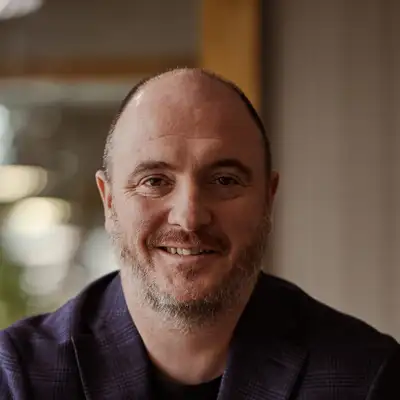
Jessie Gu: [00:00:09] Welcome everyone. Thanks so much for everyone for joining us today. Uh, whether you're joining from Canada or the United States, you're probably already thinking about where you're from is, uh, needing to go to next. And that's exactly what we're here to talk about today. Um, I'll start with a little bit of intro about myself. My name is Jesse GU, and I am the business development manager here for Sage Intacct Advisory, based in Toronto. For today's session is um, the title is on Discover the modern CAS Client Advisory Service practice, a scalable AI ready advisory offering in 2026. Over the next 60 minutes, Matt and I will walk through four areas of. Firm. Leaders consistently struggle with how to package advisory services. How to price them. The tech stack that actually would support the scale and how AI fits into all of this in practicality, not just in theory. Before we dive in, I'd love to introduce my co-host and our featured guest today, Matt Lescault, owner and CEO of TydeCo. TydeCo is the Sage Intacct Advisory enablement partner, focusing on supporting firms on their journey into the Sage Intacct advisory partnership. Matt, so glad to have you here.
Matt Lescault: [00:01:50] Great to be here.
Jessie Gu: [00:01:52] Okay, let's dive right in. Matt. Um, this year actually marks 20 years for you in business. Before we talk about client advisory service and AI and where the accounting profession is heading, I think it's worth understanding how you got here. Can you take us back to the beginning of how TydeCo started and what brought you to the Sage ecosystem?
Matt Lescault: [00:02:15] Yeah, and I don't want to bore people with a story. I could probably take the entire 60 minutes, uh, discussing, uh, it's very easy to talk about yourself, so I'll try to keep it short. Um, really started my business after being a controller and seeing how technology could really shift and change, uh, organizations ability to report and grow and so forth. And so got into outsource accounting 20 years ago. It'll be October later this year. Um, really as a bookkeeping company that did mostly kind of tactical transactional level work. And then around 2017, we decided to move into Intacct as something that we invested in as a firm to deliver kind of higher level services to our client base. Um, and really, if I think about today's era and what we're facing with AI and how AI is changing, there's a lot of things that we're maybe similar at that time. What I mean by that is we really started seeing marketplaces become prevalent within the accounting ecosystem, integrated products that helped us expand, uh, operational capability for our clients and sit alongside the, uh, the deployment. And so when we came into the Intacct ecosystem, we said, I said, man, technology's changing a lot. And it's really going to drive down those more basic services, those tactical services and those firms that are elevated into higher level advisory level, uh, delivery models are really going to be the one that pioneer into the next stage. And so that's sort of the why we invested in Intacct and where we thought was an important path or journey for our of our company.
Jessie Gu: [00:04:08] Awesome. Sounds like you have quite the, um, uh, foresight, um, of joining the Sage ecosystem. Uh, as we know, you are now the Sage Intacct enablement partner for this program. In your opinion, what differentiates, um, our Sage Intacct advisory or the ICI program from what you've experienced in the past?
Matt Lescault: [00:04:30] So if we're talking about specifically the program in Canada versus some of the other regions, I think what, uh, we're really focused on is how we can increase time to value, how we can increase a firm's ability to deliver services utilizing Intacct quicker, and also how we can get more, uh, feature set, more rich features out of Intacct to increase that advisory level services. So when I think about the program, what is now Sage Intacct advisory, what we're thinking about is how do firms compete at a different set of services? Now, don't get me wrong, there are firms that are already doing CFO and high level services. I have this strong belief that technology plays a big factor in the success and the delivery of those services, but really the people doing the work are more impactful than the software. But if the software isn't right, it's going to it's going to inhibit those people trying to deliver.
Jessie Gu: [00:05:36] Right. That makes sense. Um, let's talk about what client advisory services actually would look like in practice, how firms are packaging their services in a way that would create repeatable revenue. Because in this economy, this is very important. Um, Matt, since you've seen a lot of different approaches in your time, let's start with the ones that get it right. Um, when you look at accounting firms that have successfully built a client advisory service offering, you know, the company that actually made it into a core revenue stream. Um, what do they have in common?
Matt Lescault: [00:06:16] So I want to be very careful on how we define this, because I think there's different types of firms and we want to be very respectful of of each one of those. So you have traditional CPA firms that historically might have been audit and tax, and now adding client advisory services or recently added client advisory services. You have a lot of firms that specialized just in client advisory services or outsourced accounting. Um, and then you have firms that are just thinking about doing it today. And so those are kind of different paths into this journey. Okay. And the C program Sage Sage Intacct advisory program is built for any one of those, including like your interim or virtual CFO firms, uh, your operational or, uh, what we call MSP or managed service providers, um, that look for different avenues to, to drive value to their customer base. So when I think about what makes a firm get it right, it has a lot to do with the journey and how they got there or where they want to go with it, but then figure out how that value is really derived. So like I said, when I started in or started my business, there was a lot of focus on that transactional level work. And I think that there's a lot of focus still on that transactional level work even today. And I think that the big risk within our industry or in individual firms is an overreliance on revenue that is focused around kind of the transactional, uh, type, uh, service model.
Matt Lescault: [00:08:02] So if you think about AP or AR as having high volumes and that being a big component, if you're looking at compliance or reconciliations has been the major component of the service delivery model. What is happening there is you're seeing a lot of automation that's reducing that, uh, the complexity of it, reducing the value that is perceived by the client base. So I'm a big proponent that says I don't want to just be a solution that solves to get people's taxes done or just to solve a compliance issue. I want to have a, uh, a set of services that really drive value to the firm, uh, and value to the firm's clients. And when I think about that, I think about, and I'll probably talk about this multiple times in our conversation here. How do we change the perception of the office of the CFO or the office of the comptroller or the accounting function? How do we change that from a perceived cost center for organizations into a true profit center? And I don't think a lot of people think of it that way. And I really think that with the right platform and the right approach, we can immediately convert into that type of thought process and communicate that level of value to our clients. Um, and happy to get into that a little bit deeper in our conversation.
Jessie Gu: [00:09:32] Yeah. It's like helping you're changing the mindset. It's like you're becoming their business advisor, helping them scale their business. Um, like, are there industries or specific client types where you've seen the transition? Um, tends to be the easiest, like going from, like you said, more transactional based to um, or CAS offering.
Matt Lescault: [00:09:55] Well, I think, you know, where you're kind of going in this, in this question fits into like, what affirms? How are they approaching services? And I think of like Verticalization as one of those key components for, uh, accounting firms and CAS service providers to really think about, uh, the most successful firms I've seen over the years. And I've been, uh, uh, very lucky to speak to, uh, and have opportunity to, uh, to learn about, uh, how many firms operate, but the most successful seem to have a very, uh, deep specialization. Now everybody likes to talk about verticalization. I'm going to get into that in a second, uh, in a second, but it's not just about verticalization. It could be, uh, SEC work, uh, technical accounting work. There could be other, uh, niche services, but those firms that are the most successful that seem to be able to derive, uh, clients through real referral based ones that can show value in the first time they talk to a client is when they're truly, truly specialized. And so Intacct as a solution is very much a verticalized solution. So when I think of some of the other products in the marketplace that are a little bit more downstream, whether that's a QuickBooks or zero or Sage 50, uh, there's, there's a handful or many, many of them. They're really more what we call a horizontal product available for the general business general population. And then you have verticalized solutions like Intacct. And when you start being able to specialize your firm in verticalized solutions and then marry that with products that have verticalization specialty or specialization, then you can really expand your service offering into that value added component and get outside of that transactional. Then your clients, you don't got to tell them you're a trusted business advisor or however you want to put it. They come to you and start asking you very specific questions around their business because they perceive you in that way. And that's what's really impactful, in my opinion.
Jessie Gu: [00:12:14] Wonderful. So for, um, how would I know? Um, in terms of client readiness, do you, um, does, how does a firm identify which clients are actually ready to move into the Sage Intacct advisory?
Matt Lescault: [00:12:31] Well, I think the first thing I want to say, and I don't know if it's always the most popular thing to say or not, but I don't think that a firm that currently has a set of clients that are doing, you know, cash services or are consuming cash services, that Intacct is for every one of their clients. I don't believe that. I think there's a subset of clients that you want to look at within the client base. And so if I have a more mature organization or firm that comes in through Sage Intacct advisory, and we work with them and we understand it, we usually think 2,030% of their client base would be a really good fit, and it's going to be that industry verticalization it's going to be that specialization, and it's also going to be the maturity of that client and where it is now. What I love about the program is how we can bring our clients into the program earlier in their life cycle than what they would normally, because of the different advantages of being part of the Sage Intacct advisory, uh, solution. So the way I see the ability to deliver this using Intacct and in this program and then identifying the clients, it kind of broadens the, the applicable use of that for the, uh, for the firm. And so we look at appropriate industries.
Matt Lescault: [00:14:05] Uh, if I just quickly went off the top of my head, nonprofit being number one, healthcare number two, financial services, number three, professional services and kind of SaaS or kind of sit in there, we see hospitality really making a big push these days. And then we have a kind of catchall called general business. I'm not a big fan of it, but if you look at that subset and we start talking about residential services, waste management, uh, there's this really, uh, amazing subset of what we think of as mostly services based companies where Intacct really solves. And so that's the first place that I that I start talking to firms about and identifying their clients. Then once I understand their client mix, I start digging deeper into it. So which ones of these have multiple entities? Now if anybody on this webinar is listening to me, they go, oh, we know that, we know that. Um, but it's the, it's starting to then identify those true what I call advanced modules that support it. So the next thing before I even get there is I go, now tell me which ones of your clients are you using Excel to deliver deliver services? I say Intacct, eliminates Excel. Hell, that's one of the things I say to everybody. You've been on those calls with me.
Jessie Gu: [00:15:24] Yes. Yeah. That's why. Yes.
Matt Lescault: [00:15:28] And one and I see that, uh, firm partner owners eyes kind of light up and start talking a lot about the challenges that they have when it comes to that specific question. Uh, and what we've seen. And again, you've you've been there. It's like we've seen a healthcare or a, a firm that focuses on healthcare organizations start talking about medical billing and then going, oh, you guys can integrate on the medical billing side. And we'll start talking about say, well, don't just think about it from the financial perspective of medical billing. Think about it from the statistical or demographic information that is available, uh, to your client and how we can bring that into Intacct and how that level of data can be delivered to your client and how you can use that to support them in additional advisory services. And now the light bulbs start going off. And so in the program, as we see it today in Canada and the way we want to deliver, uh, support enablement to, uh, accounting firms and advisory firms is that sort of guided approach. So the way I look at my role in this is that I guide that firm through these initial conversations and questions to really understand where the value proposition sits for Intacct or with Intacct for the firm and identify throughout that whole process. And so what I always like to say is like, we're not here to just say, here's Intacct, go have fun. We're here to really work with the firm, to create a journey of how to get adoption and expand into the wider client base, but also understand that we only interested in those clients that will truly see value. Not trying to do kind of a, a spray approach to everything.
Jessie Gu: [00:17:22] Okay. Um, so I, I love your example on the healthcare industry. Um, but does readiness look different depending on industry? So like, I, like I said, healthcare- you give a good example. Would that look different for, say, somebody nonprofit or, um, you know, let's say retail.
Matt Lescault: [00:17:43] I mean, how much time do you have? Uh.
Jessie Gu: [00:17:45] I realize as soon as I said it, this is my might have been a more nuanced question, but, um, yeah.
Matt Lescault: [00:17:51] Well, yeah, so, so I used the medical billing side because there's a specific solution within, uh, Sage Intacct called EMR connect, actually produced by a partner in their own right. Uh, that's, uh, on Sage Intacct papers, how we put it, uh, that solves that component. And if you look at nonprofits, which is the number one industry, and again, a lot of people would know this. And so I'll, I'll shift to a different industry pretty quickly is you have the full grant tracking and management, uh, component of Intacct. And that has some really, really important capabilities when it comes to cost reimbursement grants. That's not where it stops for nonprofits in that moment. So what a lot of firms don't understand, or maybe I shouldn't say understand, but aren't as knowledgeable around when it comes to their outsourcing practice is how to couple in the grant tracking and billing, what we call dynamic allocations. One of the modules that Intacct has, I think, beats out every other products allocation, modeling capability and how coupled together that can create deep, deep automation for that nonprofit. But I said I'd shift into a different industry. But if you look at SaaS organizations that have true revenue recognition and how the contracts module plus the revenue recognition module come together to really drive that automation from a verticalization. We're not we're not talking about just throwing together a simple accounting software that is horizontal in nature and deploying it. We're talking about fixing real needs of those industries that drive true key performance indicators for their owners, ownership groups, executives or investors in a lot of cases.
Jessie Gu: [00:19:47] Okay, great. Um, so on that note, I actually love to hear success story. Um, can you share a story with other firm or, um, you know, a situation that made this switch going from, um, you know, like a year end model to the client advisory service model. Um, a very smooth transition. And what made mark ultimately.
Matt Lescault: [00:20:11] Yeah. So, uh, obviously I'm not going to use any names. If I was going to use names, I'd bring them on to this, uh, on this webinar. But I really think about a firm that, uh, I remember working with, they had some clients that were using another. This is for nonprofit. Uh, I want to keep with what is kind of one of the more common scenarios nonprofit in which they the client was using a different product. I don't know that I want to start, you know, downing other products, but it was a situation where we had grant management. It was a nonprofit specific, uh, solution. So it wasn't QuickBooks or one of these, uh, more horizontal solutions. It was more of a legacy, uh, nonprofit product. And the amount of time being taken for the grant management side was astronomical. Uh, basically the client was billing, if I remember correctly, just a little bit under ten k a month, uh, for the services driving value added. The client of the firm loved the services they were getting, but that firm continued to have to write off time or hours that they were spending to stay within budget with the agreed upon budget that they had with their, with their client.
Matt Lescault: [00:21:29] And it was finally basically a A conversation that was had that said, we either need to bring you over to Sage Intacct or we need to change the amount that we bill you. We need to increase it, and we need to increase it to like 12 or 15. I forget the exact number, but said, look, if you go over to Sage Intacct, we can actually reduce that fixed cost and bring you more value added services, because we're not going to be doing all of this extra work that we're doing currently because they were in Excel hell, and now they got past that point and they were able to, uh, shift into a service model using Intacct, in which their profitability increased dramatically for, uh, for that client because they weren't writing off time and the client felt like they were getting better services at a better rate. And for me, that's a win win win across the board. And that's what I'm always looking for. Uh, when I'm, whether it's a client of mine and an implementation, or whether I'm supporting an accounting firm I'm looking for how does every party win in this circumstance?
Jessie Gu: [00:22:40] We all win together. Yep. Um, okay. So let's say if I was a firm, um, I'm really excited to expand my client access services, but, you know, um, let's not ignore the elephant in the room. Pricing is where I think a lot of people tend to get stuck. Um, you know, say they know they want to move away from the hourly billing, but they just don't know how or what to replace it with. Um, can you walk me through, um, some main models you've seen, um, for client advisory services and what are the trade offs for those?
Matt Lescault: [00:23:14] Mm. So I don't, I'm, I'm going to talk about something ahead of what your full question was that I think is adjacent to it. And I hope I don't get too many eye rolls, but how many times Jesse have we had a call in the first question that we got from the accountant was how much does Entec cost?
Jessie Gu: [00:23:34] Yes, that's almost always.
Matt Lescault: [00:23:36] And how often do I answer that question?
Jessie Gu: [00:23:38] Never.
Matt Lescault: [00:23:42] Because I really the first thing I want to do when communicating with the accounting firm, forget their clients initially, is I want to focus on the value we're going to derive from doing this. And I say, and in all jokes aside, we tell them, look, this is this is substantially more cost, uh, more costly than a QuickBooks or Xero or, or so forth. We're not, you know, we're not coy about that. But if we first, the first place we focus is its price. And we don't focus on what the value that we're driving. We've already lost the conversation, in my opinion, and we've lost the conversation already to our clients, because I'm not going to sell anything I don't believe in. And I don't believe that any accountant is going to sell what they don't believe in. And so the first place that I try to start in this conversation is, let's talk about what the real value is. And then once we have an understanding of what the value is, then we can talk about price. Then we can talk about which clients may fit in that. But too many times have I seen a conversation completely fail, because the first thing that was focused on was price. So I just, I just want to kind of kind of start there. Now, the other side of your question where I think you're, you're, you're going is, you know, what are the different pricing models or what's the best pricing model might be the question, um, which I would never say there's a best pricing model, but what are the different pricing models and how can we like attack clients in a different approach in that value proposition mode? And so we all know that historically firms have been focused on a very, uh.
Matt Lescault: [00:25:29] Tnm time and material, hourly base service. And you've seen a lot of shift into more fixed fee or value based solutions, result based solutions. Now, what I would say is I think that there's a place for almost every model. And what I mean by that is if I have a, uh, a high growth startup that I know that their revenue this month is going to be far less than it is next month, which would be far less than the next month. I'm going to go hourly until they sort of hit a stride and then convert them somewhere else, because in that startup, usually there is a lot of ebb and flow around need. And I don't I don't want to always be having a conversation. This is out of scope, that's out of scope and so forth. Then, and I'm not saying Intacct is meant for government contractors, but in the government contracting world, I've seen, uh, models that focus around percent of expense or percent of headcount because of the way that the government contracting model is that are very successful for firms. And the client feels really comfortable about that because it ebbs and flows with their contracts. And then I've seen other situations where it's just kind of a pure fixed fee solution that really gives price guarantee and the firm's responsibilities. Understanding that, yes, month one and two are a little bit lighter than quarter end, where I do quarterly stuff for board preparation, but my client wants to have one fee per month that is consistent around a cash flow management perspective.
Matt Lescault: [00:27:09] And then that's a really good place to be. But each one of those come with a ability to truly manage that work. So when we've seen fixed fees that are very successful, we've seen ones that have attached to them strong statements of work. Here's what we're doing. Here's what we're not doing. And if we're outside of this, we're going to have a conversation and we're going to do a quarterly review of those services. And so there's a moment in time where, you know, we're going to be looking at what we've been doing for you and adjusting that statement of work if necessary. Um, also seeing organizations put sort of, uh, transactional caps around it. So, hey, we now we know that you average between, I'm gonna make up some small stupid number 10 to 15 transactions per month. If you're outside of that from a 10%, we will readjust, uh, based on that. And I, and then there's plenty of others, and I'm not going to get into every single thing that I've ever seen. There's not a right answer, but I would say is that the client mix that you have, what their industries dictate and what their risk patterns are, meaning take the government contracting statement and know that if they lose a contract, they lose a huge amount of revenue and transactional volume that works for them. And so understand those kind of psychographic demographic realities of the client base that you're working with.
Jessie Gu: [00:28:33] My next question actually was, um, on how would you have the pricing conversation with the client who's used to hourly billing, but it seems like you already answered it in your last part. You lead with value. Um, you can also say, you know, um, if you go over a certain threshold, it might be, um, worth looking into if it's billing model.
Matt Lescault: [00:28:55] Well, but I think the conversation starts with, we're here to bring you a solution that is most comfortable for you, but also protects us. Because whenever I have a conversation, it's like we're here in partnership together. You know, I'm not much different than you having an employee except for I hold the, uh, I hold the professional, uh, professional development component of my team. I hold the institutional knowledge. There's a whole bunch of values of what the outsourcing. But the relationship from the person that the client relies on to the person on the client side needs to be that one of a trust partnership. We're in it together. And if we have conversations like that, then we're going to win together. Um, and I think that's what's important, like in Sage Intacct advisory and why there's this concept of the Sia enablement partner. Because guess what? If the firm doesn't win, I don't win in this process. And part of my job in this is to guide through these different conversations and be able to support from this learned knowledge from all these different firms, all these different apparatus that I've, I've been lucky enough to be a part of prizing.
Jessie Gu: [00:30:10] Let's be honest, it's almost always the most uncomfortable conversation whether we have this internally or externally. Um, so I can definitely appreciate that. But I do think if you can articulate value, the pricing conversation becomes a lot easier and justifiable. Absolutely. Talk about what makes that value delivery delivery possible. The technology underneath all of this Sage Intacct. Um, so I know you built your practice obviously on Sage Intacct. Why is Sage Intacct specifically a great fit for a client advisory service minded firms?
Matt Lescault: [00:30:50] Well, I'm going to first go back to to my journey. So if we go back to the first beginning of this webinar I talked about in 2018, I became a partner. Well, I didn't just like, uh, stick my finger in the wind and said, oh, in tax the right, uh, the right one for us. I really looked at a couple of different factors of why I thought Intacct was a great solution for at the time, me being primarily an outsourced accounting provider in the US. And what I saw at the time was first and foremost, I would say I thought a user interface that was, uh, easier to train people in than some of the other ERPs. Two. I think most importantly was the big bet that the year before Sage had acquired Intacct. And my expectation was Sage was going to put a lot of investment into Intacct. And that's come to be true in spades in the fact that Sage Intacct is Sage's flagship global product across the world. I mean, being deployed US, Canada, Africa, Middle East, UK, Ireland, France, Germany, APAC, including, you know, Australia and Singapore and just the amount of development that's gone over to it, uh, has just been remarkable. And I think that that was another thing that I saw in that moment of like, what am I going to pick an ERP is one that I think is going to continue to have that level of development, that level of feature rich modules and aspects to it. And then I really looked at what is going to be a product that drives real reporting capabilities. So for me, if I go back to I never learned it, but the first time I tried to use Crystal reports, I was like, I'm not doing this.
Matt Lescault: [00:32:38] This is just painful for me to do. And, and my ability to go into Intacct very early on and manipulate reports quickly to get information that I wanted out of it was very impactful. So those three things were really the, the main reason I chose Intacct, uh, as that, as that platform. And so I, I think that those things continue to ring true for, uh, as we move forward and why I think Sage Intacct is such a superb solution for firms trying to deliver value to their clients. Because the end of the day, some people would say their clients don't care at all what their accounting platform is. And it's hard to argue because the clients, from an outsourcing perspective, just want the results, right? But I think that any client, me included, uh, not just Intacct, but if I look at the infrastructure that I use, uh, the different platforms that I use, uh, outside of my finance side, I care that the foundation of how those services are being delivered is sound and scalable for the future. I want to know that as a consumer, at the end of the day, do I need to know what's called Sage Intacct? No. But if I poke and prod around what the capability and the feature set is, I better get the right answer, or else I'm not going to have trust and faith in the firm that is suggesting me to to move over with them.
Jessie Gu: [00:34:12] I know we talked earlier a lot about, you know, the partnership that we have for, you know, within the Sage Intacct program. But can you quantify the benefits of an accounting firm joining the Sage Intacct advisory program, when they can just buy Sage Intacct directly versus when they can just buy directly from Sage? Um, this is especially beneficial for those that are advisory minded.
Matt Lescault: [00:34:40] All right. I'm going to try to do this short, but but it's my story. Okay. Again, you know, we all like talking about ourselves, I think at some point. Um, when I first started, uh, in 2018, it took a year to enable. Okay. So what you had to do is you had to go get training from the implementation specialists. And it had this whole process and I wasn't able to sell Intacct for that first year. So 2018 was out the window. So the 19 came and I had already during that time period, uh, looked at my client base and identified 10 to 15 clients I thought would be good fits for Intacct. And I then chose the client that I had a really good relationship with, and I thought would get a lot of value out of it. And I sold. Sold them on the concept. They agreed. And I said, and I will do this implementation for you for $30,000. And they're like, great. And they agreed to it. We agreed, uh, and, uh, we went and did the implementation and we ended up billing. I didn't bill it to the client internally, $80,000 because we just didn't know what we were doing because when he came out of implementation training, he didn't really know how to implement, you know, how to navigate it, but you didn't really know the nuances of implementation. So I had a $50,000 write off on that in my, in my path. And, uh, and so that's one place where you can, uh, where you can quantify that. But then there's another piece of this reality. If that same client came to me today, the same exact need from an implementation. That implementation would be like 14K15K half of what I even quoted at that time.
Jessie Gu: [00:36:31] I thought you were going to say higher.
Matt Lescault: [00:36:33] No, no. And, uh, and so when we look at how we thought about structuring this program, when I meet firms that are outsourced accountants and the same thing that I said, I was like, if you give me a well implemented Intacct and asked me to provide advisory level services, you know, it could be everything from bookkeeping controller, CFO, I could do it with the best of them. Ask me to implement, oh, I got problems. And so that's one of the components of the way we're looking at this program, uh, now and having an enablement partners That reduction in real cost to the firm. But then we go one step further and going time to value. So that first implementation took me about nine months because I know what I'm doing. I would do that same implementation in 30 days today. Now again, I had a part of my story is I meet somebody from Sage up on a plane, and I talked to him about the challenges I have from an outsourcing perspective and the fact that, you know, I really figured out that I needed to be doing about 36 implementations a year to keep up with everything. Uh, and he introduced me to somebody that introduced me to somebody, and that's how I ended up with entities in South Africa and being, uh, supporting us, Canada and South Africa being more of an implementation partner than outsourced accounting, uh, partner at this point, the, uh, that statement rings true to people today that I talk to around the ecosystem that let me just do the core of what I do. But it's been ingrained so much over the years that we have to be implementers to that we've kind of missed in my in my mind, what's really the key value focus of the firms delivering cash services?
Jessie Gu: [00:38:29] Wonderful. Um, let's switch things up a little bit and go back to Sage Intacct, the tech technical aspect. Um, in my opinion, I think one of the biggest perks in, you know, having a cloud ERP is the reporting layers, um, as well as the dashboards that, you know, you can access clients can access in real time. How do those things actually change the advisor to client relationship when they have access to these dashboards, these, um, reporting layers?
Matt Lescault: [00:39:02] So it's not just the dashboards, but the ability for the firm to build out unique reporting capabilities in those dashboards that are unique from the way that the firm thinks about data analytics and how that differentiates them from other firms. I am not a proponent of telling firms, here's a dashboard for a behavioral health organization, and this is the right one to always use. And then I'm going to go to the next firm and say, here's a behavioral health dashboard. That's the right one to use. I don't think that's where we really drive true market value as firms. Each firm has unique knowledge and unique, um, uh, specialties of themselves, uniqueness, differentiation. And that's the first place is that this gives a platform to create that unique delivery model. And I think that's really important in, uh, the overall, uh, business of being in cash services. Then what you're doing is providing your client information to consume. But if you're doing it right, you're not just having them consume it by themselves. You are guiding them through that consumption of that data, of that information and giving them insights that maybe they wouldn't see themselves. Uh, but that also means is that you're consistently what I would say, consistently maturing that data delivery and that data information so it doesn't get stagnant. And that's another thing that from a dashboarding capability that Intacct has from a reporting capability that Intacct has, uh, and for those that don't know, there's like multiple layers of reporting capabilities. So in the core of what Intacct is, is your financial reporting, which is built on financial reports, financial graphs, and scorecards. Then you have interactive Visual Explorer that I say makes reports pretty, which is great. We all want reports that are easier to consume. Than you have the interactive custom report writer that can do more custom object reporting. And then you have the ability to add on integrated platforms or integrated ISVs or marketplace partners that can expand it even further from there. And so now again, based on what we do as service providers, we can really create differentiation.
Jessie Gu: [00:41:32] Perfect. I know we touched upon a lot, um, on the implementation aspect, uh, within the Sage Intacct program and in partnership with TydeCo Um, but in addition to the techno technical implementation, what does an early engagement with, uh, Sage Intacct would look like aside from the implementation part?
Matt Lescault: [00:41:59] Yeah. And I think that's sort of the misnomer in some ways is that as a s I enablement partner, you're just an implementation partner. I actually think that's the easiest part of the job, quite frankly, for us. Um, now, again, we've been lucky enough to shift from doing just a few implementations to, um, like a minimum of 120 to 150 deployments of Intacct a year, uh, as an organization. So, I mean, we just do it and we have a large team around that. So what? What I think the whole journey as part of our job. So from the day, the moment the firm is, is communicating with Sage with yourself, with Mark, who's not, not, not here. Uh, we're starting to understand the firm, understand what drives value from a firm perspective. And I always talk about this. There is understanding what the firm is going to perceive as value, and then understanding what the firm's clients are going to perceive as value and understand how to communicate both of those things in that process. That has a lot to do with what. What we are responsible for, what what our our part of the puzzle is.
Matt Lescault: [00:43:12] And then it is scoping, identifying the advanced modules, identifying what capabilities or features are needed to solve for the client. It is helping from a co-marketing and co sales perspective. It's, uh, it's really guide. So, uh, my director of marketing, uh, loves the book, uh, story branding, I think it is. I might have that wrong, but she's always like, as service providers, we're the guide to the client. That's the hero. And so what I talk to firms about is like, I'm your guide to your story is your hero, and you're the guide to your client for their stories. Then the hero. And if we think about it in that way, we're going to succeed together because that means I'm going to listen to you and I'm going to point you in a couple different directions, but I'm not going to tell you what to do. I'm just going to give you guidance and you make the decision that should drive you as the focal point of how you will differentiate for your client base, in the same way that you should have that same mentality for your clients.
Jessie Gu: [00:44:17] Wonderful. Let's move on to the next topic. I know you did mention earlier, one of the things that we do is, you know, you have to identify the most important features in Sage Intacct clients. And then we, we sort of go from there. And of course, we can't talk about new features without talking about AI. Um, this is a subject I'm sure everybody sees and hears everywhere we go. Um, you know, obviously it's everywhere. Uh, every LinkedIn post, every conference. But I did want to ask you something more direct, um, which AI capabilities in accounting, in your opinion, actually matter? And how does AI actually support client advisory services?
Matt Lescault: [00:45:07] So which ones matter? Well, let's first take away and maybe this is very obvious at this point. Ai has been around for a long time in different form, uh, form formats. In fact, I think that the original deployment of the first AI models within Sage within Sage Intacct was like 2017. Um, Sage GL outlier is AI. Uh, Sage's AP automation is a form of AI. Ar automation is a form of AI. Um, and you have some of the newer agents that are coming out the more, uh, new age terminology around it and deployment of AI. What I think matters has a lot more to do with how we utilize AI than what we do with AI, you know, so I'm also a pause and say, like, there are so many talking heads out in the world that, uh, that tout their knowledge of AI, where AI is going, how it's going to impact the workforce, how it's going to, how it's going to destroy the world or make the world a better place. And I don't really want to put myself in that bucket of individual, because I'm more of a consumer of AI that is learning every day about AI, and I don't pretend to really be an expert. I've asked some pretty silly questions in the past about AI that, you know, today I'm like, oh, you really didn't know what you're talking about? And I'm sure there's still many components of AI today that are just way over my head. So I think what's important to me is how we deploy AI in a very thoughtful way. Now, Sage will talk about their trust label all day long and I believe in it. Um, it's one of those things that I think is very impactful because you have the products that are attaching large language models like Claude or GPT or, uh, Copilot or whatever to their accounting products or third party products.
Matt Lescault: [00:47:06] And you can do that with Sage. But Sage also has their what they call Sage copilot. I really call Sage AI because I want to differentiate around the term copilot. Um, and I, I know based on my conversations, uh, through some things I do, uh, I think many people that are within the ecosystem know that I host the unofficial Sage Intacct podcast and I've gotten to interview some of the people that work in the AI, um, AI departments within Intacct or within Sage, which there's many offices that have, uh, AI included in it. It's not just one set of group of people that just do it. And I think that there's real thought behind how the, the self-built AI within Sage and Sage Intacct is utilized and how it delivers information Versus a lot of Sage's contemporaries. I think that's really important. So without going on a complete soapbox here, what I would say is what's important to me is how do we deploy it and how do we protect ourselves from allowing it to be wrong? And more importantly, if I have the same AI as Jesse, you have, as the people listening today have only thing that in anybody's listening to me has heard this before. The only thing that changes the output is the individual, the human that thinks about it differently. And that's where we need to be thinking through how AI is a major aspect of our delivery model, whether you're CAS, whether you're in a different industry, whether you're internal to operations that have nothing to do with clients or external in client facing.
Jessie Gu: [00:48:51] Makes sense. Um, like you said, we've been doing AI since 2017. Um, and recently we've um, rolled out a few new brand new AI agents within Intacct. Can you walk me through what those AI agents are and how they are delivering results today?
Matt Lescault: [00:49:12] Look, I think that you have the, um, the two that are really most commonly thought about today that are just being rolled out is the AI close agent and the financial agent. So financial agent being the one that you can ask questions to and get answers, uh, from in real time. And the close agent being one that sits at the true close. So anybody that's been in the Intacct environment or Sage environment that's listened to, Aaron Harris has heard him talk about the continuous close for years in the concept of the continuous close was simple. If we have automated processes, if we are reconciling consistently, every day is a close. Every day we have accurate information that's up to date every day. We have reliable data on our hands. And that's what, uh, both of these are all about. So if you're using the closed agent and continuously closing and identifying where there's inaccuracies or reconciliation items or, uh, open tasks, if you're, uh, asking questions around the data to do more data cleaning, that is the real strength of deploying AI within product within Sage's AI to support the client services and show clients how to get more out of it. And then prompt building is all the art of this. You could ask the same question to any AI, and I could ask the same question, but if we don't use the same exact words, we'll get slightly different answers. And so now, so now that means that each operator of AI has the ability to use it uniquely.
Jessie Gu: [00:50:58] So here's a question for you on the flip side. Um, there is a concern for a lot of folks in the accounting profession. Um, that AI will actually reduce the need for accountants. What's your opinion on that?
Matt Lescault: [00:51:11] Uh, multifaceted, uh, reduce the need for accountants. Uh, I don't know about that, uh, shift where the need is. Absolutely. So I think that you will see like a shift of responsibilities. Um, you know, I've talked about it. There was a time which, you know, there was a telephone switchboard and people are doing that and that's not what we're, uh, no one's sad to see that switchboard go. There's a time where everybody had, you know, everybody had a phone in their in their house. And now we all have cell phones. And that changed what the workforce did and what they're responsible for. Um, this is just gonna be another moment in that that is going to shift skill sets and responsibility and allocation of, uh, of duties in a way. Now, I think where the fear comes in and it's real is that we're shifting so quickly today that it's hard to keep up with it. And how do you keep up with that, that, that, that pace of change, uh, where maybe historically that pace was a little bit slower, but we are all still humans and we dictate that change. So I think that, I think that you're going to see, uh, the adoption of AI be slower than what is being touted in certain industries like finance than you would in other industries. Uh, that's just my personal opinion. I personally, I love AI, I think that it helps expand my capabilities, but I do it very thoughtfully.
Jessie Gu: [00:52:47] So wonderful. Um, thank you so much, Matt. So we're going to actually go on to the next component. Um question questions. Q and A um we'll just give it a moment to see if I have anything coming in. How do you handle the internal change. Um management to get your team, your own team bought into the new Sage Intacct model. So.
Matt Lescault: [00:53:20] So at the end of that, was it specifically around Intacct, or just generally in kind of how do you manage change in general? I just, I wasn't-
Jessie Gu: [00:53:29] Sage Intacct and Sage Intacct advisory the new model?
Matt Lescault: [00:53:33] Yeah. So I think first of all, we just talked about Intacct. I've talked to a lot of firm partners and owners that are scared that their team are just happy doing what they currently do. That's the opposite experience that I've had, uh, Internally and when talking to the end user. I've seen a. And it's not everybody. Okay. There's there's percentages and and I think there's percentages do adjust depending on, uh, the firm and the people. But I've seen a true interest of going, we really want to learn this and raise their hands. We really want to be a part of this. We've seen, uh, we've done some research and it and the capabilities are so much more advanced than what I'm used to. I think this could really help our clients in these ways. Uh, I had a great conversation in Canada, uh, a few months back in which I had one of the staff accountants for the firm telling the other managers why this would solve part of their pain problem so much, and was very interested and intrigued by what that looked like. So I think that there's a misnomer on that now. There's still the reality that without change management, without being Thoughtful and prescriptive around how you deploy change. It's challenging for firms. So, you know, it's how do you train? How do you have feedback loops? So like, we'll go back to the AI statement.
Matt Lescault: [00:55:06] What I'm doing internally is everybody, uh, a certain subset of people within my firm are getting access to different AI tools, whether it's copilot, GPT, or Claude. And I didn't just hand it to them and said, go have fun. I hand it to them. And then we have group meetings every 30 days so that people can talk together about how they're using the product, what they're gaining from, what they like to see, ask questions to each other. And we do that 30 days, 30 days, 30 days. Same idea from a Intacct perspective is how do you start creating a, I don't want to say groupthink that has a negative connotation, but a group approach to the adoption of and want to be part of, uh, utilizing Intacct. And that's a huge, huge component. So when we think about our enablement activities, one of the things that I talked to firms about is like, let's do these type of webinars internal just for your teams. Let's do thought leadership internally just for your teams. Let's do demos internally just for your clients. Let's create assets and content that really support it. And it's easier now than ever to build out content, unique content, uh, in a very scalable way.
Jessie Gu: [00:56:24] Perfect. I love that tailored approach. Um, again, I think it ties back to what we talked about in the beginning, the Sage Intacct victory program. Uh, it's very much both a technical program, but also a partnership program, um, that, you know, like you said, we want everybody to succeed, not just one party. Um, we have two minutes left, but I want to also bring up one last question, because I think this is also a really great one that, um, say, you know, for those who actually might be a little bit earlier on their AI journey, Matt, what would you recommend them stop doing manually right now and automate? First and foremost.
Matt Lescault: [00:57:06] This has got to be too obvious. Like if we're manually entering bills into systems and manually creating invoices or really collections and things of that nature, if we're still doing a lot of that, I think there's a, I think there's a big problem or big opportunity depending on the way that you look at it. Uh, but I think the real shift that I have from an expectation internally to my finance department is to reduce your reliance on Excel. That's my number. That's one of my number one goals.
Jessie Gu: [00:57:44] That makes sense. Matt. Um, thank you so much for your time today, and thanks everybody else for joining and for your both your time and attention. Um, your CPE or CPE credits will be distributed after you complete the quiz on the earmark platform, and the recording will be available via go to webinar. This will be sent via email, um, within the next 24 to 48 hours. And um, if today raised questions about where your firm should go next, you can reach out to myself, you can reach out to my colleague Mark or to Matt directly. Um, any final word to the audience? Matt.
Matt Lescault: [00:58:24] Well, I just want to thank you for having me. I've been, I've enjoyed the conversation and, uh, looking forward to, uh, chatting with the next firm.
Jessie Gu: [00:58:31] Great. Thanks so much. Thanks, everyone.
Matt Lescault: [00:58:34] Thank you.
Jessie Gu: [00:58:35] Thanks. Bye.
Creators and Guests